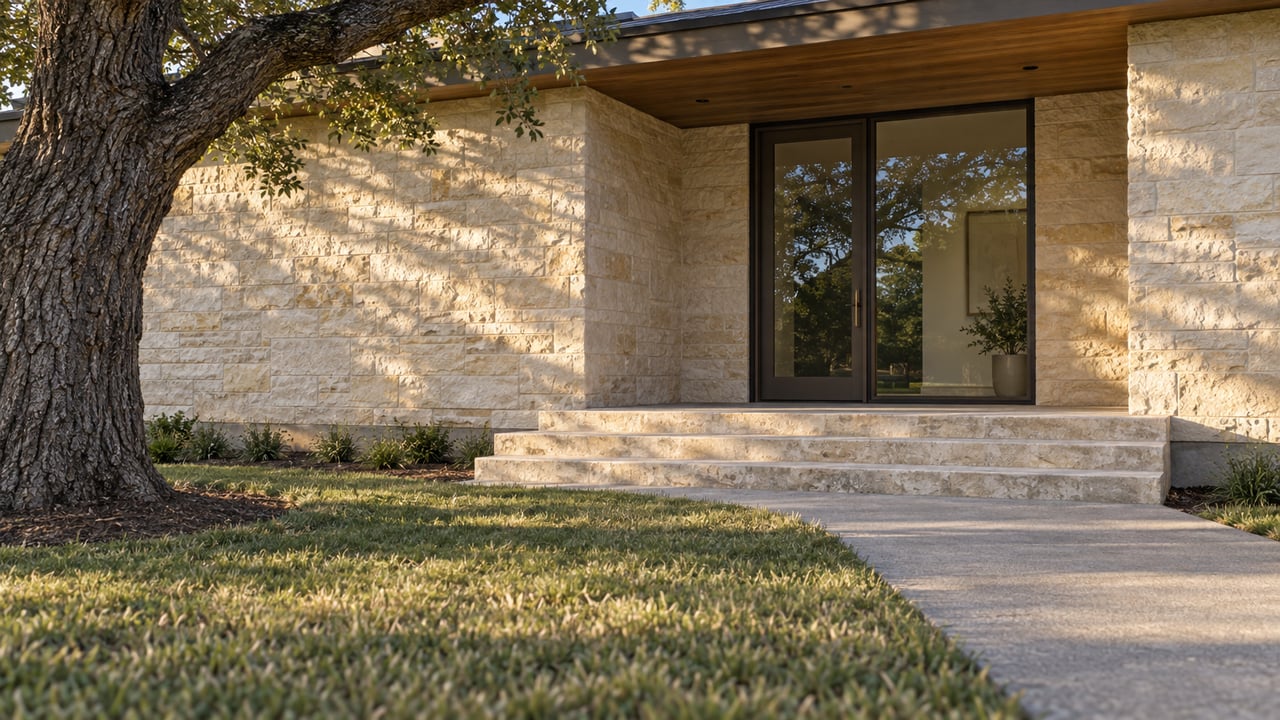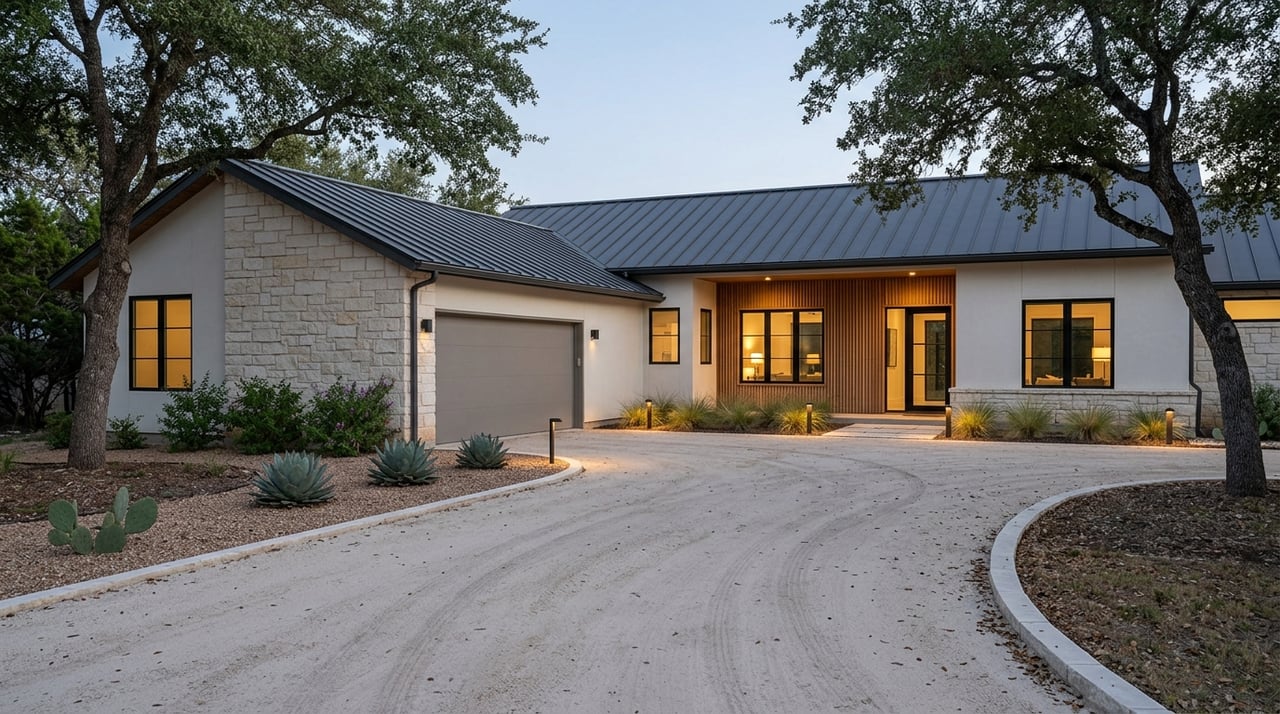
Thinking about buying an estate home in Driftwood? It can be an exciting move, but it is also a purchase that deserves a closer look than a typical subdivision home. In this part of Hays County, the home itself is only part of the story. You also need to understand the land, access, utilities, permits, and records tied to the property. If you know what to review before closing, you can move forward with more confidence. Let’s dive in.
Why Driftwood Estate Homes Need Extra Due Diligence
In Driftwood, many estate properties function more like land-and-infrastructure purchases than standard neighborhood homes. That is because factors like septic, wells, floodplain, recorded restrictions, and road maintenance can directly affect how you use the property.
In unincorporated Hays County, the county states that it does not have zoning authority outside the San Marcos Airport Zoning Regulations. That means buyers cannot rely on city-style zoning rules to understand how a property is governed. Instead, recorded restrictions, subdivision documents, plat status, and county review become especially important.
This is one reason estate-home purchases in Driftwood often call for parcel-specific research. Two properties with similar acreage and square footage can come with very different ownership responsibilities.
Start With Plat Status and Recorded Restrictions
Before you fall in love with the views or the architecture, make sure the property’s legal and recorded details line up. Hays County Planning reviews plats, property compliance, and land subdivisions, and the county warns that property that is not properly platted or compliant can later face problems with county approvals.
For you as a buyer, that means plat status is not just paperwork. It can affect future plans for improvements, additions, utility work, and other county-related approvals.
Why recorded restrictions matter
Because unincorporated Hays County does not operate like a city with broad zoning rules, recorded restrictions can carry a lot of weight. These documents may shape what is allowed on the property and what standards apply.
The Hays County Clerk maintains official public records, and subdivision restrictions are recognized as county real-property records under Texas Property Code. Reviewing these records early can help you avoid surprises later.
Check Road Access and Maintenance
Access is one of the biggest practical issues with an estate property. A beautiful home can feel very different once you learn the road to it is privately maintained rather than county-supervised.
Hays County uses a narrow definition for what qualifies as a county road. To meet that definition, the road must be outside a city boundary, not be an FM, RM, SH, or IH road, not be privately maintained, and be in a subdivision where the county accepted maintenance rights.
Questions to ask about the road
When you are evaluating a Driftwood estate home, ask:
- Is the access road county-supervised or privately maintained?
- Who handles maintenance and repairs?
- Are there shared access obligations?
- Will a future driveway, culvert, or utility project require county permits?
Hays County Transportation notes that driveway and utility permits can require fees and online applications. For rural and semi-rural properties, that makes access more than a convenience issue. It can affect future costs, timing, and planning.
Understand Septic Before You Buy
Many estate homes in Driftwood rely on an on-site sewage facility, often called an OSSF or septic system. In Hays County, this deserves careful review.
The county states that all development and OSSFs in unincorporated areas require permits, regardless of lot size or acreage. It also says an OSSF permit will not be issued for land that violates subdivision regulations. For residential single-family development, the county may require a compliant parcel, a development permit, and an OSSF design if applicable.
Septic is tied to how you use the property
A septic system is not just a background utility. In Hays County, septic systems are designed and permitted based on bedroom count and or square footage. That means your future plans matter.
If you want to add bedrooms, expand the home, build a guest house, or increase square footage, the septic system may need review or upgrading. What works for the current home may not support your future vision.
What to review for the septic system
Ask for:
- OSSF permit records
- System type and age
- Repair history, if available
- Current maintenance information
- Any required maintenance contract
This last point matters because Hays County notes that aerobic systems require an ongoing maintenance contract. That is an ownership cost many first-time rural buyers do not expect.
Review Well Information and Water Testing
If the home uses a private well, water responsibility shifts more directly to you as the owner. The Texas Commission on Environmental Quality states that private well owners are responsible for regularly testing their water.
That means a private well should be treated as an active due-diligence item, not a box to check at the end. You want to understand both the well records and the current water quality.
What to ask for on a well property
A strong review may include:
- Available well report information
- Recent water test results
- Details on pumping and equipment, if available
- Any available well log documentation
TCEQ recommends using an accredited drinking-water laboratory for water testing. For buyers, recent test results can help clarify the condition and management of the property before closing.
Don’t Assume Flood Risk Is Obvious
A common mistake with Hill Country property is assuming that if a home looks elevated or scenic, flood issues are off the table. Hays County specifically warns that flood risk is not always obvious from simple geography.
The county also states that all development requires a county permit, whether the property is inside or outside the floodplain. So even if you are not planning major construction right away, floodplain status still matters for ownership and future improvements.
When flood insurance may be required
If a property is in a floodplain and the mortgage is federally backed, Hays County says flood insurance is required. That can affect your monthly ownership costs and your lender requirements.
Before you close, it is wise to review the floodplain map for the property and understand how that status may affect insurance and future plans.
Plan for Future Additions Early
One of the biggest appeals of an estate home is flexibility. You may picture a guest suite, studio, larger outdoor living area, or future expansion. In Driftwood, that kind of planning should start before you buy, not after.
Because county permits apply broadly and septic capacity is tied to bedroom count and square footage, future additions can involve more review than buyers expect. A property that fits your needs today may not support the same footprint tomorrow without changes.
This does not mean you should avoid properties with future potential. It simply means you should match your long-term goals with the property’s actual infrastructure and county requirements.
Use Public Records to Learn More
If you want a fuller picture of a property before closing, Hays County states that public-information or open-records requests can be used to obtain documents related to potential development or property matters, including OSSF-related records.
That can be helpful when you are comparing estate homes or trying to understand a tract with more moving parts. In a market like Driftwood, the extra research can protect both your lifestyle goals and your investment.
A Smart Closing Checklist for Driftwood Estate Homes
When you are under contract on an estate property, keep your review focused on the items that most often affect ownership in unincorporated Hays County.
Here is a practical checklist:
- Survey
- Recorded restrictions
- Plat status and parcel compliance
- Road maintenance responsibility
- OSSF records
- Septic maintenance contract, if required
- Well report information
- Water test results
- Floodplain map review
- County permit requirements for future additions or outbuildings
A checklist like this can help you move beyond surface-level impressions and make a more informed decision.
Why Local Guidance Matters in Driftwood
Buying an estate home in Driftwood is often about more than finding the right floor plan. It is about understanding how the home, land, utilities, and county processes all fit together.
That is where local guidance can make a real difference. When you work with a team that understands Hill Country properties, acreage due diligence, and the practical realities of Hays County transactions, you can ask better questions and avoid last-minute surprises.
If you are exploring estate homes in Driftwood and want thoughtful, white-glove guidance from a local team, connect with Bailey Group to schedule your consultation.
FAQs
Is there zoning for estate homes in Driftwood?
- In unincorporated Hays County, the county says it does not have zoning authority outside the San Marcos Airport Zoning Regulations, so buyers should review recorded restrictions and county requirements.
Who maintains the road to a Driftwood estate home?
- It depends on whether the road meets Hays County’s definition of a county road. Some access roads are county-supervised, while others are privately maintained.
What should you check if a Driftwood home has septic?
- Review OSSF permits, system type, maintenance records, and whether an aerobic system has a required maintenance contract.
What should you know if a Driftwood estate home uses a private well?
- Private well owners are responsible for water testing, so ask for available well records and recent water test results during due diligence.
Can you add bedrooms or a guest house to a Driftwood estate home later?
- Maybe, but Hays County says septic systems are designed around bedroom count and or square footage, so additions may require septic review and county permits.
Is flood insurance required for a Driftwood estate home?
- If the property is in a floodplain and the mortgage is federally backed, Hays County says flood insurance is required.