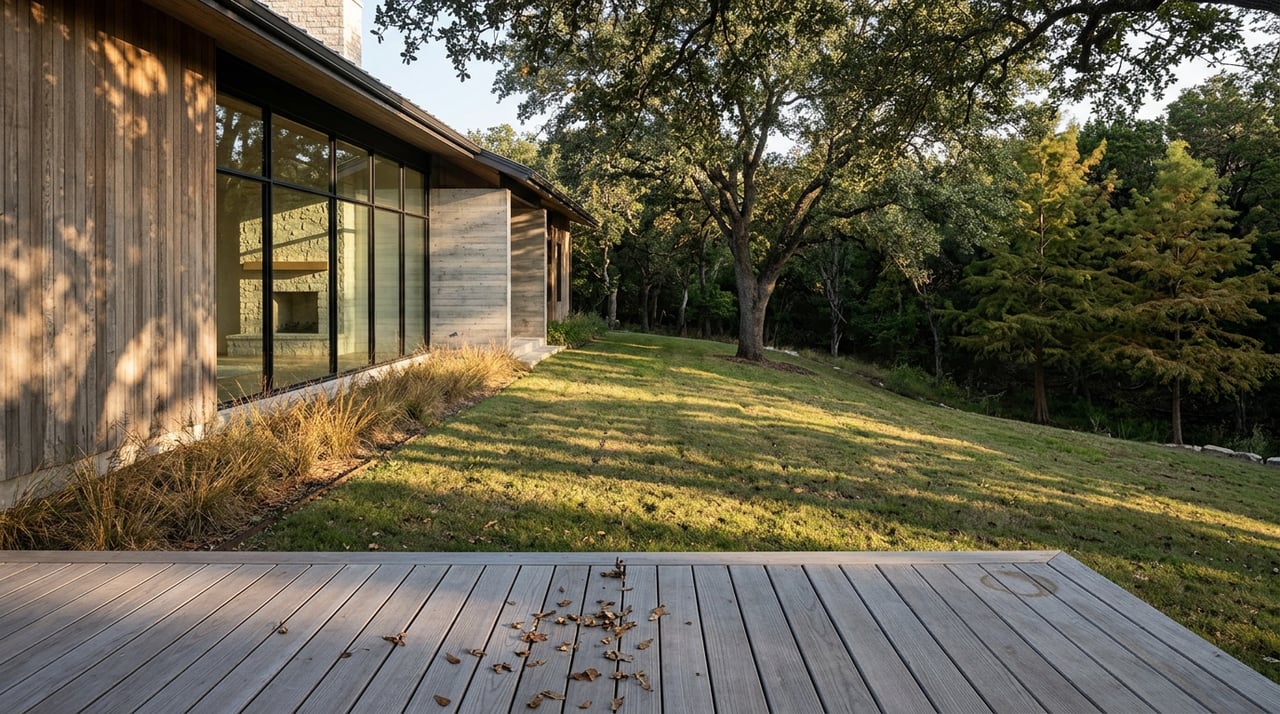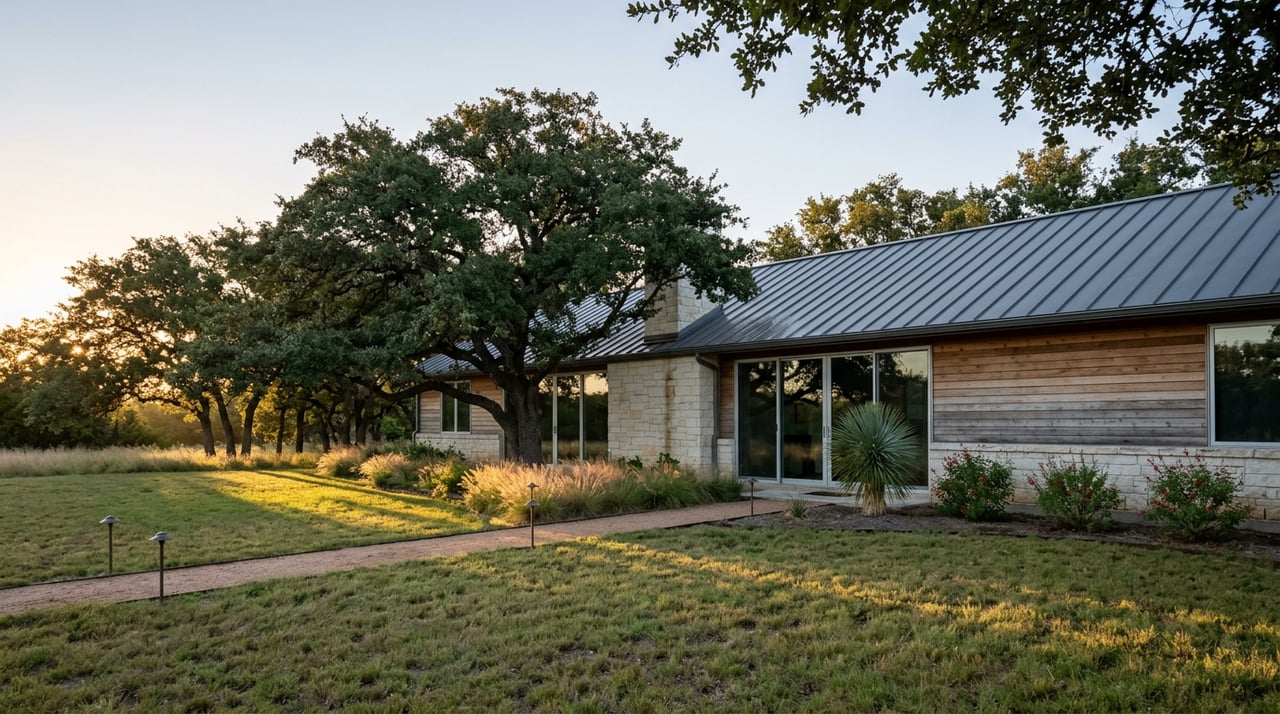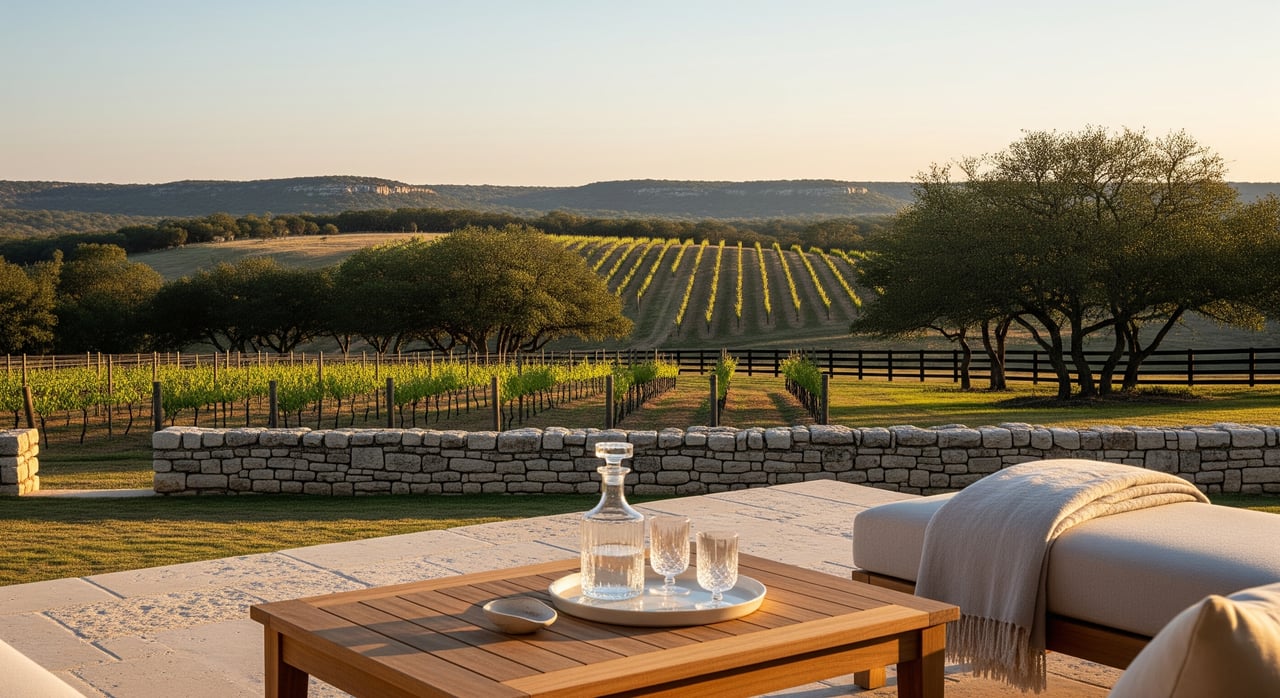
Craving starry skies, a little more elbow room, and a tasting room down the road without losing access to Austin? You’re not alone. Many buyers look to Driftwood for a slower Hill Country rhythm with space to breathe and play. In this guide, you’ll learn what day‑to‑day life feels like, how weekends unfold around wineries and events, and what to know about acreage homes, utilities, and due diligence. Let’s dive in.
Why Driftwood draws Austin buyers
Driftwood sits in Hays County, southwest of central Austin, with a rural Hill Country feel. You’ll find rolling limestone terrain, live oaks, and a mix of working ranches and boutique agriculture. It’s popular with second‑home owners and commuters who want privacy and acreage while staying connected to Austin.
The social scene leans into agritourism. Wineries, tasting rooms, and wedding venues bring visitors and live music on weekends. If you enjoy good wine, barbecue, and a community calendar full of events, you’ll feel at home here.
Commute and road reality
Plan for a commute measured in tens of miles rather than single digits. Depending on your start and end points, driving distance to central Austin is roughly 20 to 35 miles. Off‑peak, the drive might run about 30 minutes, while peak traffic can stretch 45 to 75 minutes or more. Weekend traffic often picks up due to events and visitors.
Roads are mainly two‑lane county roads and state highways. Expect slower speeds, occasional agricultural vehicles, and extra congestion near tasting rooms during events. If you split time between the city and your acreage, keep a flexible schedule.
Wineries and the weekend rhythm
Driftwood sits inside the Texas Hill Country wine region. Boutique wineries and vineyard venues shape local life with tastings, live music, and seasonal celebrations. This creates a friendly, social weekend scene with a steady flow of day‑trippers.
There’s a lifestyle trade‑off. You get a vibrant food and wine culture in your backyard, but you’ll also see periodic traffic spikes near popular venues. Many locals plan their Saturday errands early and lean into the fun later in the day.
Dining and nearby essentials
Driftwood is known for destination dining and BBQ that can draw big weekend crowds. For everyday conveniences, nearby Dripping Springs offers additional restaurants, coffee, and small retailers. Farmers markets and farm‑to‑table options pop up around the area, which fits the rural, food‑forward lifestyle.
Outdoor fun in the Hill Country
The area is close to classic Hill Country recreation. Think scenic drives, swimming holes, trail rides, and local parks. In the broader region, notable natural sites include places like Hamilton Pool Preserve and other preserves. On your own acreage, you might spend time on ATVs, gardening, fishing on stocked ponds, or hunting on larger tracts where permitted.
Housing options on acreage
You have a range of property types to match your goals:
- Small ranchettes, about 1 to 5 acres, with ranch‑style homes and outbuildings. These are great for weekend escapes and hobby projects.
- Mid‑sized parcels, about 5 to 25 acres, often with custom builds, barns, arenas, or guesthouses. These suit equestrian needs or multi‑generational setups.
- Larger ranches, 25 to 100+ acres, for livestock, hunting, or true privacy and a working ranch lifestyle.
- New construction and small planned rural subdivisions near main roads. Inventory can fluctuate, so timing matters.
Utilities and infrastructure 101
Utilities vary widely on rural acreage. Many properties rely on private wells for water. You’ll want to confirm well depth, pump condition, water quality, flow rates, and any usage restrictions. For wastewater, on‑site septic systems are common, with county and state rules for permitting and setbacks.
Electricity is typically available, though line extensions and costs can vary by site. High‑speed internet access is improving but not universal. Check fixed broadband, fixed wireless, and cellular options at the parcel level to make sure service meets your work‑from‑home needs. Roads may be county‑maintained or private, and private roads can come with maintenance agreements or HOA fees.
Land use, taxes, and rights
Much of Driftwood is unincorporated and regulated primarily by Hays County. You’ll see fewer restrictions than inside city limits, but subdivision rules and septic/well regulations still apply. Many owners use agricultural exemptions to lower property taxes, which requires qualifying use and documentation.
It’s also smart to dig into property rights. Mineral reservations or leases can be attached to land. Easements for utilities, ingress/egress, or pipelines are common. Review plats and title documents so you understand exactly what you’re buying.
Ranch‑club vs. private ranch life
Some buyers prefer planned “ranch‑club” communities that blend rural privacy with semi‑private amenities such as clubhouses, pools, golf, or equestrian facilities. These options add social programming and convenience but come with initiation fees, annual dues, and higher HOA or ranch management costs.
Other buyers want pure, independent ranch life with no memberships and maximum privacy. Both paths are possible around Driftwood, so consider how you like to spend time and what level of community you prefer.
Daily life: errands, schools, and services
Living on acreage means planning a bit more for everyday errands. Expect longer drives to groceries, healthcare, and services than you’d find in the city. Emergency response is often handled by volunteer or regional fire departments, so it’s worth confirming response times and local resources for your parcel.
School zoning varies across rural Hays County. Many Driftwood‑area parcels are served by nearby districts such as Dripping Springs ISD. Always verify attendance zones directly with the district before you purchase.
Environmental and site constraints
Hill Country soils often include karst limestone, which can affect building pads and septic suitability. On larger builds, a geotechnical or soils report is useful. Creek bottoms and low‑lying areas can fall within FEMA‑mapped flood hazard zones, so check floodplain status for any parcel you’re considering.
Wildfire risk and brush management are part of rural living. Create defensible space, budget for brush clearing, and discuss insurance requirements with your carrier. For properties with dense vegetation or rangeland nearby, plan for ongoing maintenance.
Buyer checklist for Driftwood acreage
Use this quick list to organize your due diligence:
- Water
- Well log, pump age and condition, water quality test, flow rate, historical levels
- Any surface water rights or restrictions
- Septic
- Permit history, recent inspection, capacity, and age of system
- Soil percolation info if available, and drain field condition
- Title and legal
- Mineral rights ownership, any active leases
- Easements, deed restrictions, boundary survey (preferably detailed)
- Utilities and access
- Power availability and any line extension fees
- Internet options checked by address or parcel
- Propane or gas details if relevant
- Legal ingress/egress confirmed; private road maintenance agreements if applicable
- Taxes and districts
- Hays County tax rates
- Presence of MUDs, WCIDs, or other special districts
- Agricultural exemption eligibility and documentation
- Insurance and hazards
- Home, wind/hail as needed
- Flood insurance if in a mapped zone
- Wildfire or environmental considerations
- Building constraints
- Septic setbacks, building envelopes, and county permitting for accessory structures
- Tree considerations and site grading plans
Financing and closing considerations
Loans on raw land or larger acreage can require bigger down payments and shorter terms than standard home loans. Lenders may have specific requirements for well and septic documentation. Appraisals on unique rural properties can vary, and specialty insurance may be needed for barns or non‑standard structures.
Build in time for inspections and verifications. Rural transactions involve more third‑party checks, and scheduling can take longer. A clear plan, with contingencies for water, septic, title, and access, helps keep your closing on track.
Is Driftwood right for you?
If you’re craving quiet mornings on a shaded porch, space for gardens or horses, and a weekend culture built around wineries and live music, Driftwood delivers. You’ll trade some convenience for privacy and land, and you’ll learn the rhythm of event weekends. In return, you get a relaxed Hill Country lifestyle that still keeps Austin within reach.
When you’re ready to explore properties that fit your goals, the local team at the Bailey Group can help you match lifestyle with the right land, utilities, and due diligence. Schedule Your White‑Glove Consultation.
FAQs
How long is the commute from Driftwood to Austin?
- Plan roughly 20 to 35 miles to central Austin, about 30 minutes off‑peak and 45 to 75 minutes or more during peak hours.
What utilities are typical on Driftwood acreage?
- Many homes use private wells and septic systems, with electricity available and internet improving but not guaranteed everywhere.
Are there HOAs or ranch‑club communities in Driftwood?
- Yes, some planned communities offer amenities with dues and fees, while many properties are independent ranches with no memberships.
What should I check before buying land in Driftwood?
- Verify well and septic details, mineral rights and easements, access and road maintenance, floodplain status, taxes, and any agricultural exemption.
How busy do weekends get near Driftwood wineries?
- Expect higher traffic and activity around tasting rooms and event venues on weekends and during special events.