Thinking about selling in Dripping Springs? In a market that feels more like a growing Austin-area suburb than a sleepy small town, confidence comes from having a smart plan, not from guessing what buyers will do next. If you want to price well, prepare your home the right way, and avoid surprises along the way, this guide will walk you through the steps that matter most. Let’s dive in.
Know the Dripping Springs market
Dripping Springs is growing quickly. The U.S. Census Bureau estimates the city had 11,167 residents as of July 1, 2025, up from 4,650 in the 2020 Census. That kind of growth can bring strong interest from buyers, but it does not automatically mean every home will sell fast or above asking.
Recent market snapshots show a more balanced picture. Redfin reported an April 2026 median sale price of $510,726, about 86 days on market, and roughly one offer on average. Realtor.com reported median listing prices around $762,500 to $797,000 in March and April 2026, with median days on market of 42 to 58 days and sale-to-list ratios of about 97% to 99%.
The key takeaway is simple: Dripping Springs is price-sensitive. Your results can vary based on neighborhood, home type, size, condition, and presentation. It is usually wiser to plan for a selling timeline measured in weeks to months rather than assume a quick bidding war.
Hire your agent early
One of the best first steps is to talk with an agent as soon as you are seriously considering selling. That early window gives you time to build a strategy instead of rushing through repairs, pricing, and paperwork at the last minute. It also helps you understand what buyers in your part of Dripping Springs are responding to right now.
In Texas, many sellers choose professional help for the process. The Texas Real Estate Commission says many consumers hire a professional advisor, and the 2025 NAR seller profile found that 91% of sellers used a real estate agent. While you are not legally required to hire one, most sellers find that guidance valuable when it comes to pricing, marketing, negotiation, and deadlines.
Texas also requires an early disclosure step in many agent conversations. The Information About Brokerage Services form must be provided at the first substantive communication about specific real property. That means your first real strategy conversation may also include important brokerage information, which is normal and part of the process.
Use the prep window well
Once you decide to sell, your prep period can directly affect both buyer interest and time on market. In Dripping Springs, where buyers often compare homes carefully and negotiate close to asking when a property is priced right, presentation matters.
Start with the basics:
- Declutter rooms and surfaces
- Deep clean the home
- Repair obvious issues
- Freshen up high-traffic areas
- Stage key spaces if possible
Staging can make a real difference. NAR’s 2025 staging report found that 29% of agents saw a 1% to 10% increase in the dollar value offered when homes were staged, 49% saw reduced time on market, and 83% of buyers’ agents said staging made it easier for buyers to visualize the property.
If your time or budget is limited, focus on the rooms that carry the most weight:
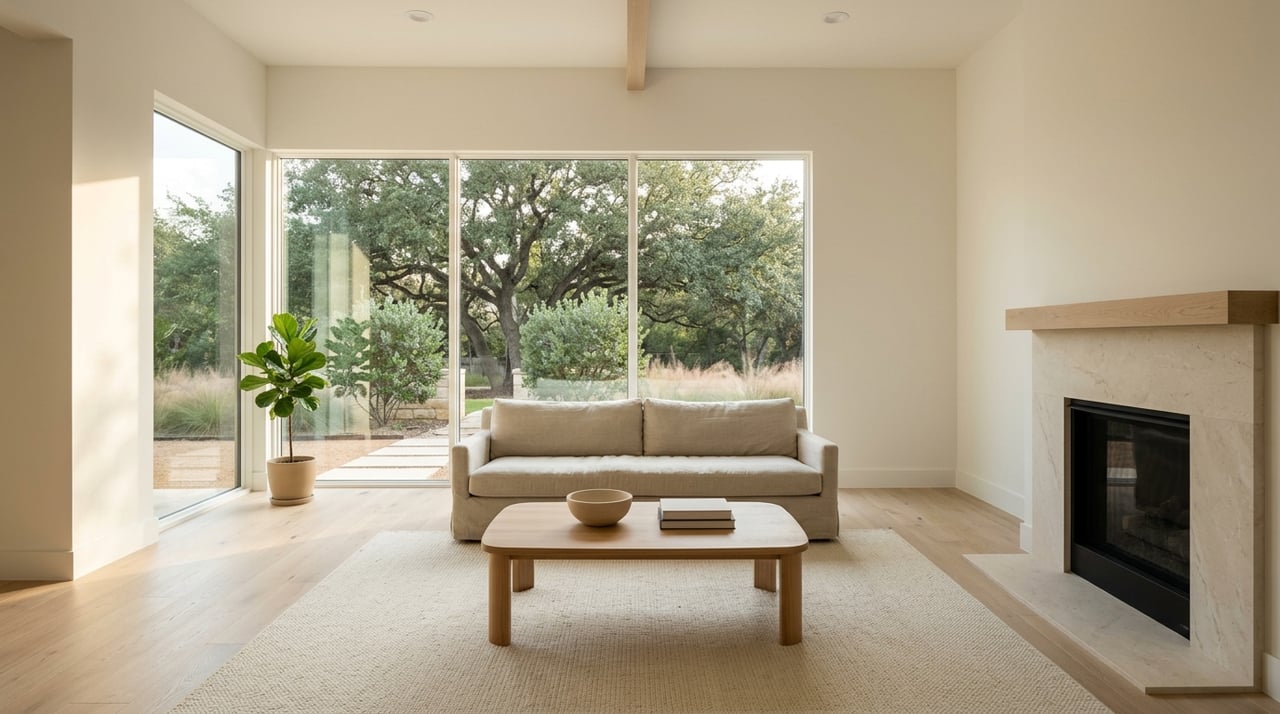
- Living room
- Primary bedroom
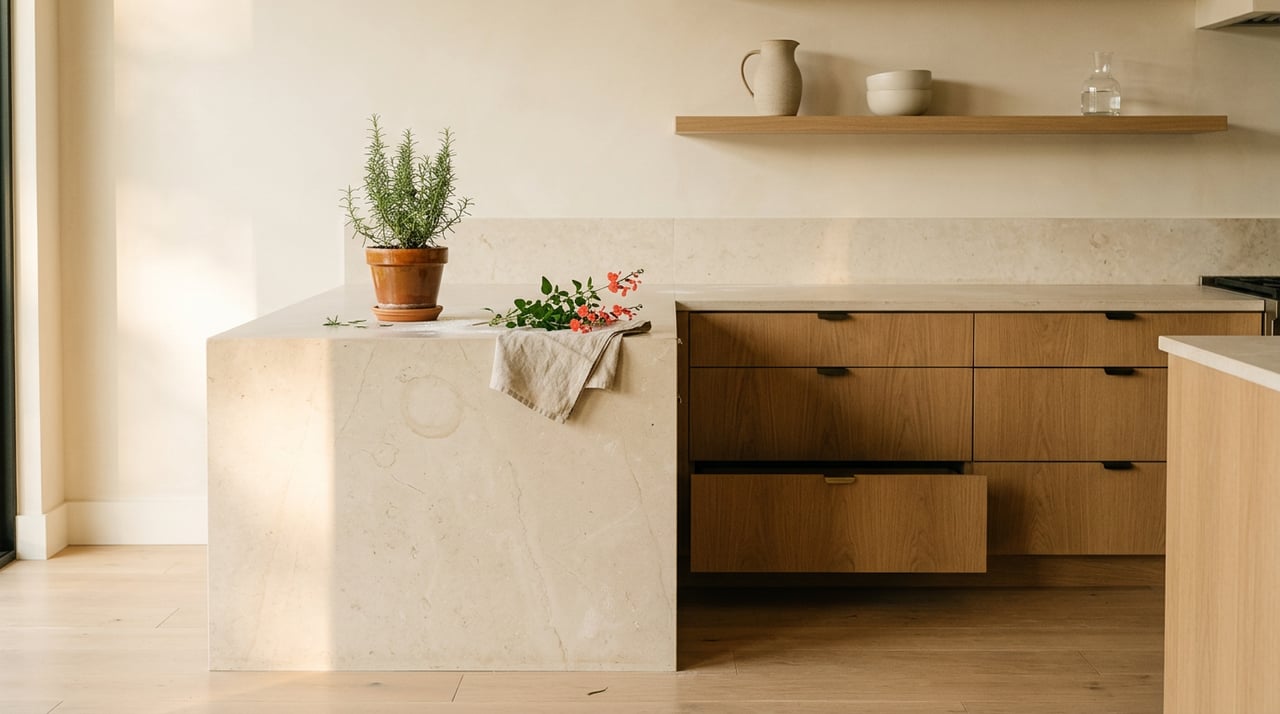
- Kitchen
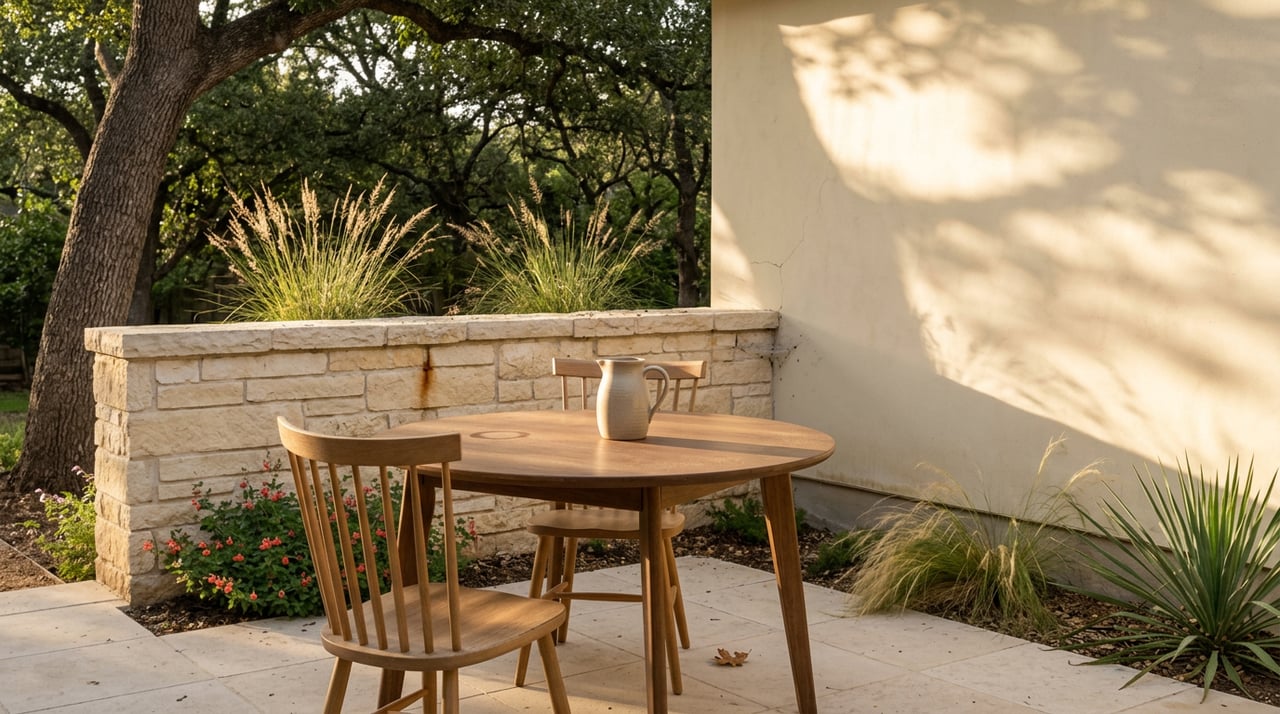
For many Hill Country homes, this prep stage also includes sharpening the lifestyle story of the property. That might mean highlighting a clean outdoor entertaining area, a scenic view, mature trees, flexible bonus space, or the practical features that matter on acreage properties. The goal is to help buyers picture both the home and the day-to-day life that comes with it.
Get your Texas disclosures ready
Selling with confidence also means handling paperwork early. In Texas, the Seller’s Disclosure Notice is required for sellers of previously occupied single-family residences. TREC updated this form effective May 28, 2026, and the changes add or highlight information about insurance coverage, private roads, aboveground storage tanks, and conservation easements.
If your property includes acreage or more rural features, another form may matter too. TREC created a new water notice about groundwater and surface-water rights that becomes effective July 1, 2026. For some Dripping Springs and Hill Country properties, especially those outside more typical subdivision settings, this can be an important part of the disclosure package.
Getting these items in order before you list can reduce stress later. It also helps buyers make informed decisions, which can lead to smoother negotiations and fewer surprises once you are under contract.
Price from comparables, not tax value
Pricing is one of the biggest decisions you will make. It is also where many sellers lose momentum if they start too high.
A smart list price should be based on current comparable sales, not your tax appraisal value. In Texas, local taxing units set tax rates, while appraisal districts determine value for appraisal and exemption purposes. Hays CAD administers appraisal and exemption services in Hays County, but that does not make a tax value the same thing as market value.
This matters even more in Dripping Springs because the local numbers vary depending on source and timeframe. Realtor.com’s April 2026 summary showed a median listing price of $762,500 and a median sold price of $704,500, while Redfin’s April 2026 snapshot showed a lower median sale price of $510,726. These figures are not directly comparable, but together they show why broad citywide averages are less useful than recent comps that match your home’s location, size, condition, and features.
A well-priced home often attracts stronger attention early. Realtor.com also reported a 99% sale-to-list ratio in March 2026, which suggests buyers are still negotiating, but often staying close to asking when the home is priced well. Overpricing may only add extra days on market without improving your final result.
Market your home for broad exposure
Visibility matters. A broad public marketing strategy usually gives your home the best chance to reach serious buyers, especially in a market where timing and presentation play a big role.
Recent Realtor.com research found that privately listed homes tend to take longer to sell and do not necessarily earn a higher price than homes marketed publicly through the MLS. For most sellers, that supports a simple idea: the more qualified buyers who see your home, the better your chances of getting strong interest.
For a Dripping Springs listing, that means your marketing plan should focus on showing the property clearly and professionally, both online and in person. Strong presentation often includes:
- Professional photography
- Clear property descriptions
- MLS exposure
- Portal distribution
- Thoughtful showing preparation
This is where a boutique, white-glove approach can really help. In a lifestyle-driven market like the Hill Country, buyers are often purchasing more than square footage. They are responding to setting, flow, outdoor living, and how the home fits the way they want to live.
Prepare for showings and feedback
Once your listing goes live, your job shifts from prep to consistency. Buyers may book showings quickly, or activity may build over a few weeks depending on your price point and product type. Either way, you want your home to be ready every time someone walks through the door.
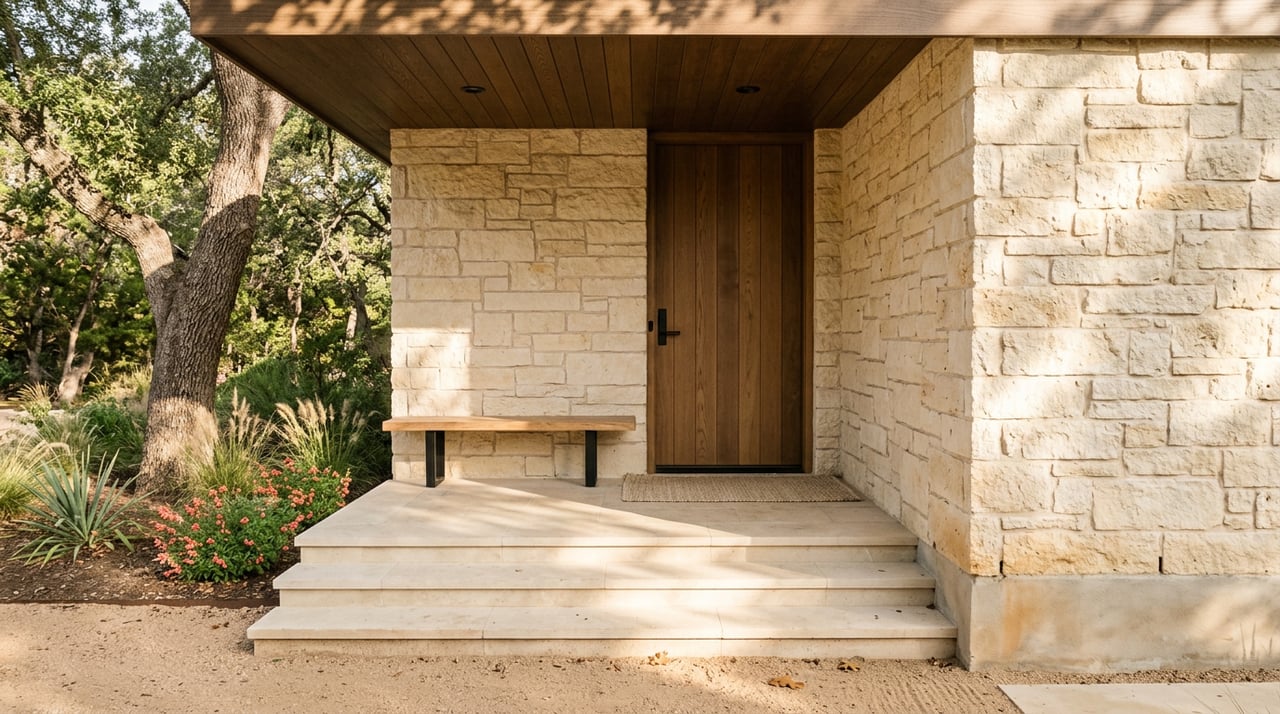
Try to keep the home clean, bright, and easy to access. Small details matter, especially when buyers are comparing multiple homes in one day. A tidy entry, open window coverings, and uncluttered counters can help your home feel more inviting.
Feedback is important too. If buyers keep making the same comments about price, condition, or presentation, those patterns can help guide your next move. In a market like Dripping Springs, where negotiation is common and timing can stretch over weeks, listening to the market is often more effective than waiting it out without adjustment.
Understand what happens after you accept an offer
Accepting an offer is a big milestone, but it is not the finish line. After a contract is signed, the buyer usually moves into the due diligence phase.
This often includes a home inspection. TREC says licensed real estate inspectors perform inspections in Texas. If the buyer is using financing, the lender will also commonly request an appraisal.
Here is the typical flow after acceptance:
- The contract is executed
- The buyer schedules inspections
- Repair requests or negotiations may follow
- The lender orders an appraisal if financing is involved
- The transaction moves toward title closing
The final closing step is usually handled by a title or escrow agent acting as a neutral third party. Staying organized during this stage can help keep your closing on track.
Compare service, not just fees
When you choose who will represent your sale, it is smart to look beyond a headline number. TREC says listing agreements are private contracts between broker and seller, and fees are set by agreement rather than by TREC.
That means not all service packages are the same. One agent may offer stronger pricing guidance, more hands-on preparation help, better marketing, or more responsive communication throughout the transaction. Another may offer less support, even if the fee sounds attractive at first.
A better question to ask is: What value am I getting for the agreement I am signing? For many sellers, confidence comes from knowing the plan is thoughtful, the presentation is strong, and the communication is clear from start to finish.
A simple seller checklist
If you want a practical roadmap, start here:
- Interview an agent early
- Review timing and local market conditions
- Declutter, clean, repair, and stage
- Complete required Texas disclosures
- Price from recent comparable sales
- Launch with broad public marketing
- Stay ready for showings and feedback
- Prepare for inspections, appraisal, and closing
Selling in Dripping Springs does not have to feel overwhelming. With the right plan, the right preparation, and the right local guidance, you can move forward with clarity and confidence.
If you are thinking about listing your home in Dripping Springs or anywhere in the Hill Country, Bailey Group is here to help with white-glove guidance, thoughtful pricing, and marketing designed to reach the right buyers.
FAQs
How long does it take to sell a home in Dripping Springs?
- Recent market snapshots showed about 42 to 86 days on market, depending on the source and time period, so it is smart to expect a timeline measured in weeks to months.
Do you need a real estate agent to sell a home in Texas?
- No, it is not legally required, but TREC says many consumers hire a professional advisor and NAR found that 91% of sellers used a real estate agent.
What disclosures are required when selling a Dripping Springs home?
- For previously occupied single-family homes, the Texas Seller’s Disclosure Notice is required, and some rural or acreage properties may also need the newer water notice about groundwater and surface-water rights.
Should you price your Dripping Springs home using tax appraisal value?
- No, tax appraisal value is not the same as market value, so pricing should be based on recent comparable sales that closely match your home.
What happens after you accept an offer on a Texas home sale?
- The buyer usually completes inspections, the lender may order an appraisal if financing is involved, and the transaction then moves toward title closing with a title or escrow agent.
Are real estate fees fixed when selling a home in Texas?
- No, TREC says listing agreements are private contracts and fees are set by agreement, so it is important to compare services, marketing, and terms.