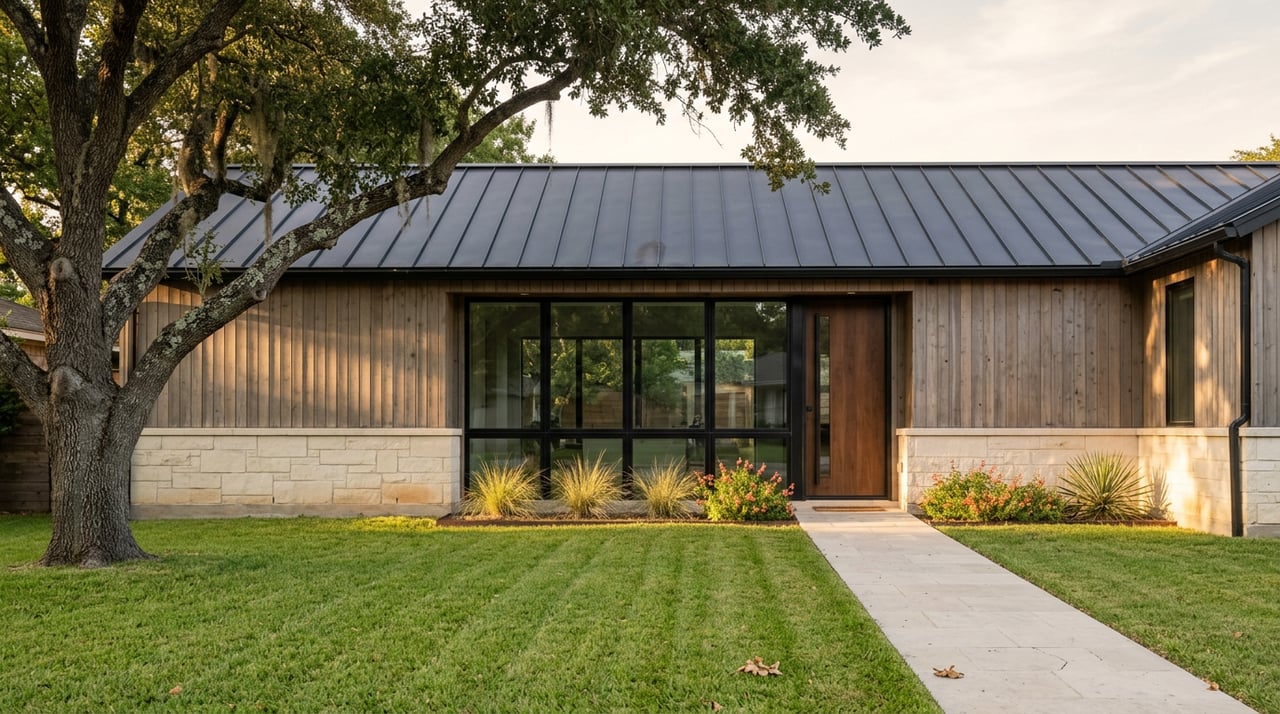
If you’re thinking about moving to Blanco, you’re probably looking for something many buyers struggle to find: a town that feels genuinely small, scenic, and connected to the outdoors without feeling cut off. That balance is a big part of Blanco’s appeal. Before you make a move, it helps to understand how daily life works here, what housing looks like, and which practical details matter most. Let’s dive in.
Why Blanco Draws Buyers
Blanco is a small Hill Country town with deep roots and a noticeably slower pace. The Texas State Historical Association reports 1,682 residents in 2020 and 1,780 in 2021, while Blanco County was estimated at 13,358 in 2024, reinforcing just how lightly populated the area remains.
That small scale shapes the overall feel of town. According to the city’s planning materials, Blanco’s growth approach centers on keeping open land, preserving rural character, and maintaining a small-town core. If you want a place that still feels grounded in local identity, that is an important point in Blanco’s favor.
Blanco also sits in a practical location for people who want Hill Country living with regional access. Visit Blanco describes the town as about an hour from both Austin and San Antonio. For some buyers, that makes Blanco appealing as a full-time home base, weekend retreat, or second-home market with easier access to larger metro areas.
What Daily Life Feels Like
One of the first things many buyers notice is that Blanco’s day-to-day rhythm centers on the historic square. The Old Blanco County Courthouse sits at 3rd and Main and is recognized by the Texas Historical Commission as both a State Antiquities Landmark and a National Register property. Built in 1885, it now serves as a visitor center and community hall.
The city describes downtown as the heart of the community, with restaurants, shops, the post office, Bindseil Park, and city offices all tied into that central area. In practical terms, Blanco feels more local-business-oriented than big-box-oriented. Your routine is more likely to include the square and nearby small businesses than large-format retail runs inside town.
Blanco also has a steady, community-based event calendar. Blanco Market Days take place on the courthouse square on the third Saturday of the month from March through December, and Visit Blanco’s event highlights include the annual Blanco Lavender Festival in June. If you like towns where the calendar feels seasonal and familiar rather than nonstop and crowded, Blanco may fit well.
Outdoor Living Is a Big Part of Blanco
The Blanco River is one of the town’s defining features. The city’s water resources assessment notes that Blanco lies in the Blanco River Basin, with the river running south of downtown. That river connection helps explain why so much of Blanco’s identity feels tied to outdoor time and water access.
Blanco State Park sits just four blocks south of the square on a one-mile stretch of spring-fed river. Texas Parks and Wildlife lists swimming, fishing, paddling, boating, picnicking, hiking, camping, and wildlife viewing among the park’s amenities. For buyers who want easy access to nature without driving far, that is a meaningful lifestyle perk.
The city also lists Bindseil Park, Yett Memorial Park, and Blanco State Park among its park spaces. Yett Memorial Park, in particular, includes a pavilion, kitchen, bathrooms, rodeo arena, baseball park, and playground across 29 acres. That gives Blanco a practical outdoor infrastructure that supports both casual recreation and community events.
Shopping, Dining, and Errands in Blanco
When you move to Blanco, it helps to set the right expectations about convenience. The city’s downtown revitalization materials note that most retail is small and serves the local population. That does not mean your needs go unmet, but it does mean Blanco functions differently than a fast-growing suburban retail corridor.
For many buyers, that is part of the appeal. You get a more personal, small-town environment and a downtown that still acts like a downtown. But if your daily routine depends on large-scale shopping, extensive chain options, or a broad entertainment district, you will want to factor in occasional trips outside town.
This is one of the most important “know before you go” realities. Blanco offers charm, access to the river, and a compact community core, but it is not trying to be a larger Hill Country hub. Buyers who understand that upfront tend to evaluate Blanco more clearly.
Schools Are Local and Centralized
For buyers considering a primary move, schools are often part of the early research process. Blanco ISD operates three campuses in town: elementary, middle, and high school. The district states that it serves 1,105 students and employs about 167 teachers.
The district also highlights programs such as CTE, AP/Dual Credit, fine arts, and transportation. In addition, the Texas Education Agency’s 2024-2025 accreditation list shows Blanco ISD as ACCREDITED. From a practical standpoint, the district is compact and community-visible, with campuses concentrated in town rather than spread across a large suburban footprint.
What Housing Looks Like in Blanco
Blanco’s housing mix is shaped by both its size and its growth priorities. According to the city’s land-use plan, the largest residential category is single-family homes. The same materials note limited multifamily stock, some manufactured-home clusters, and a traditional apartment complex on the east side of town.
That matters because it helps set realistic expectations if you are comparing Blanco with larger nearby markets. If you are looking for a broad range of apartment communities or dense master-planned development, Blanco may feel limited. If you prefer detached homes, a smaller-town layout, and the possibility of more breathing room, the local housing pattern may feel more aligned with your goals.
The city also reports that roughly 300 acres of vacant land remain inside city limits. That suggests some future growth can still happen within town rather than only at the edges. For buyers, that can mean a mix of established homes, in-town opportunities, and some room for continued development over time.
Acreage and Land Come With Extra Considerations
If you are drawn to Blanco because you want more land, you are not alone. The broader Blanco market includes acreage homesites, ranchette-style properties, and rural parcels, and local regulations help explain why. The city’s growth-management information notes that Blanco has limited annexation authority because its population is below 5,000.
Those same materials reference county subdivision rules that require 5-acre minimum lots for some parcels served by wells and on-site sewage. For buyers shopping for land, that is more than a planning detail. It affects how certain properties may be divided, developed, or used.
This is where local guidance matters most. If you are evaluating vacant land, a rural homesite, or a property outside the town core, you will want to understand utility setup, lot regulations, and how the property fits your long-term plans.
River and Drainage Questions Matter
Blanco’s river setting is part of its charm, but buyers should also approach water-related property decisions carefully. The city’s water resources assessment discusses Town Creek drainage, flood control, and water-quality protection. If you are considering property near the Blanco River or lower-lying creek areas, these are important items to review.
That does not mean river-adjacent or creek-influenced properties are off the table. It simply means you should look closely at drainage, flood conditions, and site-specific details before moving forward. This is especially important for buyers considering second homes, investment use, or long-term land improvements.
How Blanco Compares to Nearby Hill Country Towns
Blanco is often considered alongside places like Wimberley, Dripping Springs, and Canyon Lake. Based on the population figures in the research, Blanco is the most compact of the group. The Texas State Historical Association reports Wimberley had 2,839 residents in 2020, while Dripping Springs was estimated at 10,165 in 2024, and Canyon Lake CDP had 31,124 residents in 2020.
In practical terms, that helps explain why Blanco tends to feel more square-centered and land-oriented than some nearby alternatives. If your priority is a quieter setting with a small-town core and visible connection to open land, Blanco may stand out. If you want a larger town with more commercial activity, you may feel the difference quickly.
What to Know Before You Move
Before moving to Blanco, keep these takeaways in mind:
- Blanco is small by design. Its planning approach emphasizes open land, rural character, and a traditional town core.
- The square plays a major role in daily life. Downtown functions as a real community center, not just a historic backdrop.
- Outdoor access is a major lifestyle benefit. The river, parks, and state park are woven into the town’s identity.
- Housing options are more limited than in larger markets. Single-family homes dominate, with less multifamily inventory.
- Acreage properties require more due diligence. Wells, on-site sewage, and lot rules can shape what is possible.
- Water-related property research matters. River and creek proximity should always be reviewed carefully.
- Regional access is part of the draw. Blanco offers a quieter home base while staying within reach of Austin and San Antonio.
If Blanco sounds like the kind of place where you could slow down, spread out, and enjoy more of the Hill Country lifestyle, the next step is making sure the property itself matches your goals. Whether you are looking for an in-town home, acreage, land, or a river-influenced property, Bailey Group can help you navigate Blanco with the kind of white-glove local guidance that makes a move feel much simpler.
FAQs
What is daily life like in Blanco, Texas?
- Daily life in Blanco tends to revolve around the historic square, local businesses, community events, parks, and the Blanco River, giving the town a slower and more locally focused rhythm.
What should home buyers know about Blanco housing?
- Buyers should know that Blanco is primarily made up of single-family homes, with limited multifamily inventory and some opportunities for land, acreage, and in-town growth.
What should buyers check before purchasing near the Blanco River?
- Buyers should review flood and drainage conditions carefully, especially for homes or land near the river or lower-lying creek areas.
What are schools like in Blanco, Texas?
- Blanco ISD is a small local district with elementary, middle, and high school campuses in town, and TEA lists the district as ACCREDITED for 2024-2025.
Is Blanco close to Austin and San Antonio?
- Yes. Visit Blanco describes the town as about one hour from both Austin and San Antonio, which makes it practical for buyers who want Hill Country living with regional access.