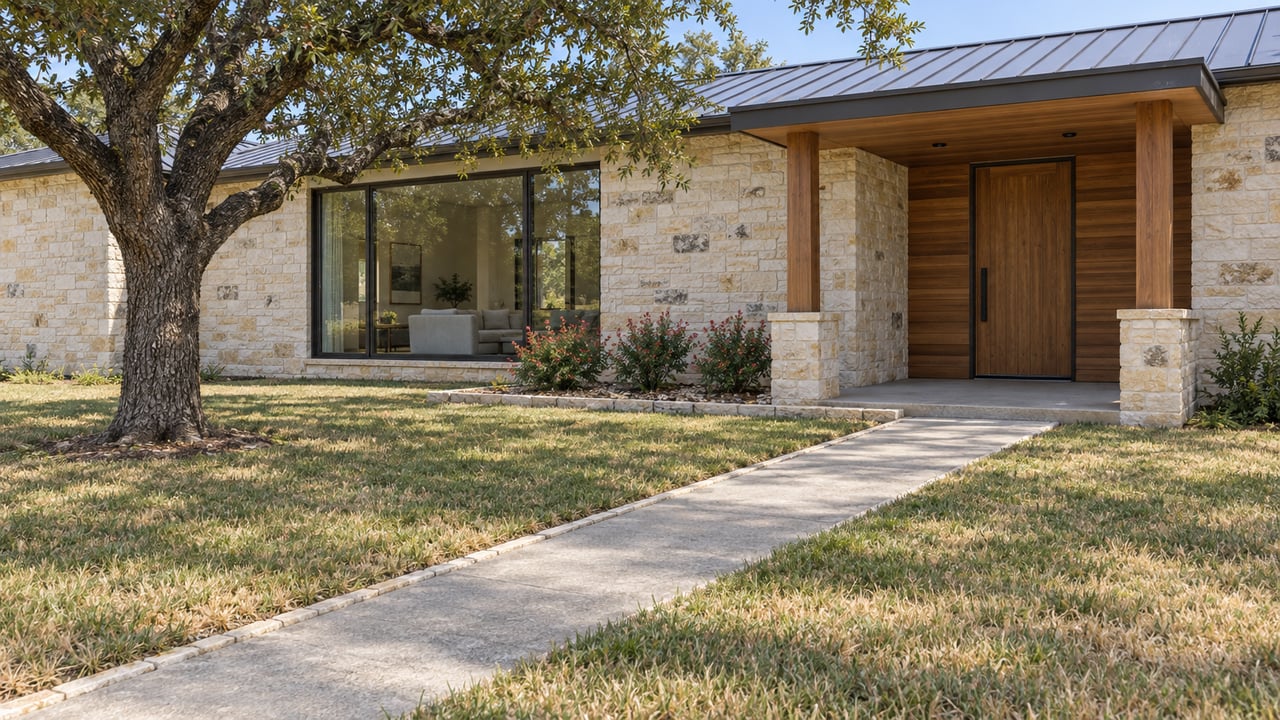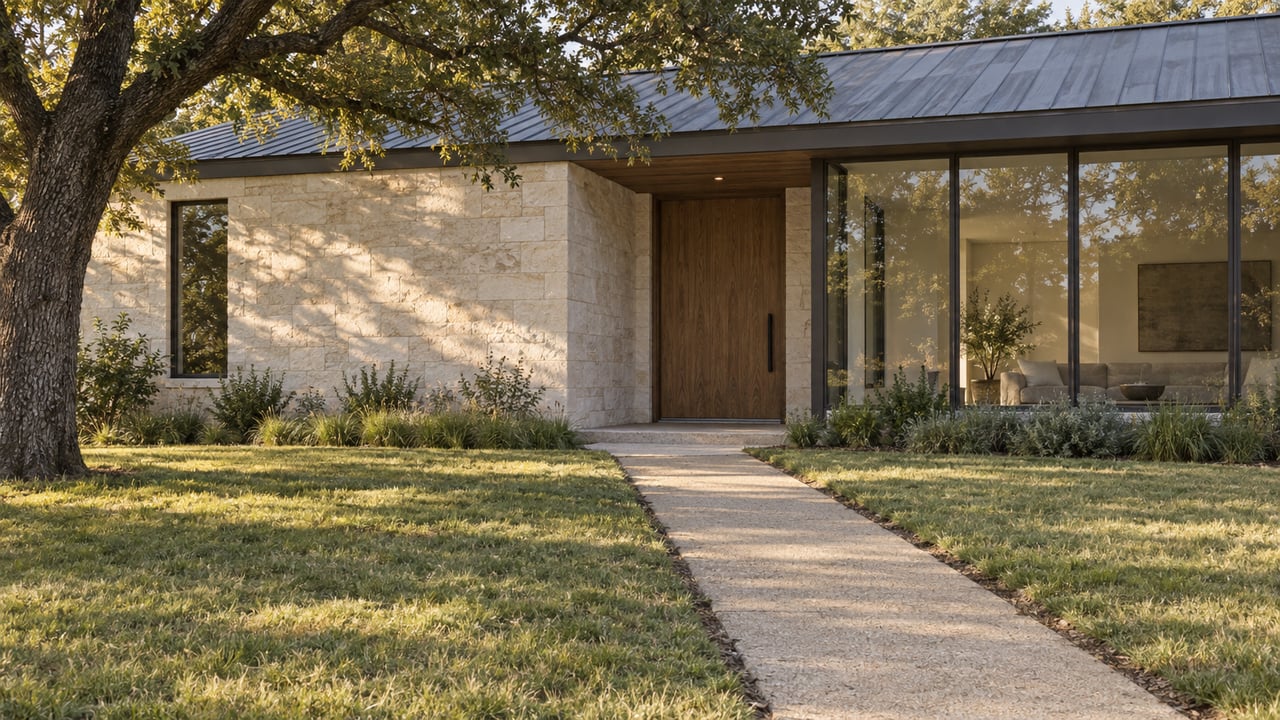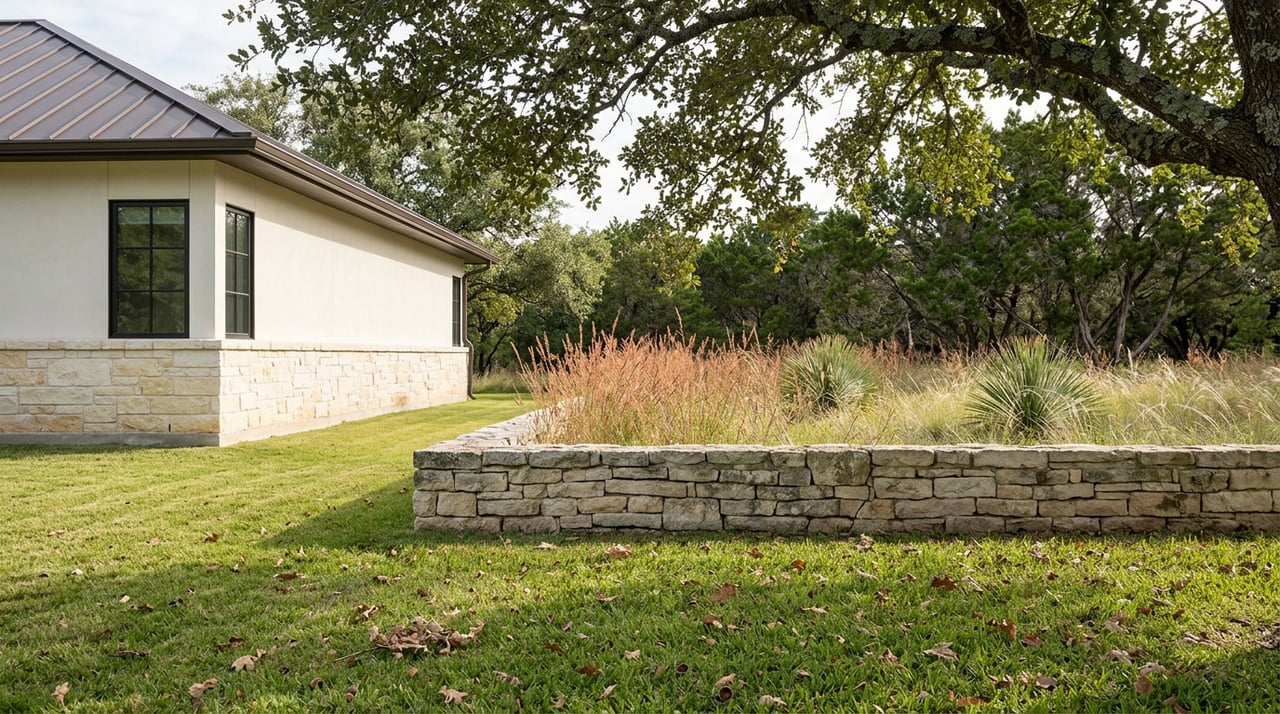
A buyer finds a fifteen-acre tract off Ranch Road 12, the kind of parcel with a scattering of live oaks and a view that makes the drive from Austin feel worth it. The listing shows a property tax bill that looks almost like a typo. A few hundred dollars a year on land that would otherwise carry a market value well into six figures. The buyer assumes this is simply what Driftwood taxes look like, closes on the property, tears out a fence line to put in a driveway and a house pad, and six months later gets a letter from Hays County explaining that the county would like several years of taxes back, with interest.
That letter is not a mistake. It is Texas doing exactly what the tax code says it will do. The low number on the listing was never a fact about the land. It was a fact about what the seller was doing with it.
This is the piece of Driftwood's market that a plain price-per-acre comparison will never show you, and it matters more here than almost anywhere else in the Hill Country, because Driftwood's entire real estate identity is built on large, working, or wildlife-managed acreage rather than platted subdivisions.
Two Numbers for the Same Piece of Dirt
Texas land carries two separate values once agricultural or wildlife management valuation enters the picture: what the land would sell for on the open market, and what it produces. Under Texas's 1-d-1 open-space appraisal, a landowner is taxed on the second number, not the first. A twenty-acre tract near Austin can carry a market value close to $800,000 while its agricultural production value sits closer to $15,000, a gap the Texas Comptroller's own guidance and Texas land tax attorneys use as a standard illustration of how the productivity method works. The tax bill you see in a Driftwood listing reflects that production number. It tells you almost nothing about what the land is worth, and even less about what your bill will look like once the current qualifying use stops.
In Hays County specifically, that gap runs deep. Texas Land Tax reports that landowners with ten or more qualifying acres can see their property tax burden reduced by 70 to 90 percent under agricultural valuation. That is not a rounding error. It is the difference between a tax bill that makes owning fifteen acres feel almost free and one that reflects what Austin's growth has actually done to Hays County land values.
Why Driftwood's Acreage Comes in Oddly Specific Sizes
Spend any time looking at land listings in Driftwood and you will notice the tracts rarely land on round numbers. Ten to twenty acres. Twelve and a half. Twenty-plus. These are not aesthetic choices. They track the thresholds Hays County Appraisal District has actually written into its rules.
To qualify a tract for wildlife management valuation as a stand-alone parcel, Hays CAD requires a minimum of 20 acres. If the tract sits inside a larger wildlife management area, that minimum drops to 12.5 acres. Those two numbers show up again and again in how Driftwood land actually gets subdivided and sold. Bluff Springs Estates, a small gated community west of town, is platted as just twelve homesites running roughly 10 to 20 acres apiece. Liberty Ranch, another gated Driftwood development, is broken into 15 residential lots built around the same large-acreage model. At the other end of the spectrum sits Lone Woman Mountain Ranch, a 675-plus acre unrestricted tract with no zoning and no extraterritorial jurisdiction restrictions, the kind of scale where a buyer has more flexibility to run cattle, manage wildlife, or simply hold the land as one unbroken piece.
None of this means every developer is plotting acreage around a tax code section. It does mean that a buyer comparing "price per acre" across Driftwood listings is often comparing tracts that were shaped, at least in part, by what size a parcel needs to be to keep its valuation intact.
The Vineyards Are Doing Tax Work, Not Just Scenery Work
One detail specific to this stretch of Hays County rarely makes it into a general guide to agricultural exemptions. The warmer microclimates around Driftwood and the land west of San Marcos are increasingly recognized by Hays CAD as suitable for vineyard and orchard use, and vineyards can qualify as a bona fide agricultural use when they are managed at commercial scale with trellising, irrigation, active pest management, and an ongoing pruning program. Part of Hays County sits inside the Texas Hill Country American Viticultural Area, the federally recognized wine region that gives the label meaning.
That is not a lifestyle footnote. Duchman Family Winery on FM 150 and Driftwood Estate Winery both operate on land that functions, for tax purposes, the same way a cattle operation or a hay field does. A buyer looking at acreage near a working vineyard should understand that the low tax bill they are seeing may be tied to an active commercial planting, not a token cluster of vines planted to check a box. Reproducing that valuation on a different tract means reproducing the actual agricultural work, not just the appearance of it.
The Bill That Follows Whoever Owns the Land When the Use Changes
Here is the mechanism that catches buyers off guard, and it deserves to be understood before an offer goes in, not after closing.
When land under straight agricultural valuation changes use, the county can assess a rollback tax covering the previous three years, the difference between what was paid under productivity valuation and what would have been owed at full market value, plus interest currently set at 7 percent under Texas Tax Code rules published by the Comptroller's office. Land under open-space or wildlife management valuation carries a longer look-back window of up to six years under the same framework.
Converting from straight agricultural use to wildlife management does not reset this clock or offer a shortcut. Hays County requires that the tract already carried 1-d-1 agricultural valuation for at least 5 of the preceding 7 years before wildlife management becomes an option, and the owner must document at least 3 of 7 state-recognized wildlife practices annually, from habitat control to predator management, with a formal plan filed with the appraisal district.
According to Daughtrey Law, the rollback tax follows whoever holds title at the moment the qualifying use ends, which in practice is usually the buyer, not the seller who enjoyed years of the reduced bill. A seller who has been running a handful of goats or maintaining a wildlife plan gets to walk away from the sale with the tax benefit banked. A buyer who breaks ground on a house, clears pasture for a lawn, or simply lets the qualifying activity lapse can end up owing years of deferred tax on land they may have owned for less than a full season.
| What a Driftwood listing shows you | What it actually tells you |
|---|---|
| A low annual property tax figure | The tax on the current qualifying use, not a fixed feature of the land |
| A specific acreage figure (12.5, 20, 20-plus) | Possibly platted to hit a Hays CAD wildlife or ag minimum, not just lot size preference |
| A vineyard, orchard, or grazing operation nearby | Land that may carry an active, documented ag use rather than a token one |
| "Ag exempt" in the listing description | An open-space valuation reflecting the land's current qualifying use |
What This Means When You're Comparing Driftwood to Other Hill Country Towns
If you are weighing Driftwood's large-lot, low-density character against a more built-up option like Dripping Springs or a town-square lifestyle like Wimberley, the acreage math changes the comparison in ways a simple price-per-acre figure will not show you. A five-acre Dripping Springs lot inside city limits and a twenty-acre Driftwood tract under wildlife management can carry wildly different effective tax burdens today and wildly different tax exposure the moment either owner changes how the land is used.
Before treating any Driftwood acreage listing as an apples-to-apples comparison with land elsewhere, it is worth asking the seller's agent or Hays County directly: what is the current valuation type, how many of the preceding years has it held that valuation, what specific activity qualifies it, and what would the estimated rollback liability be if the use changed on day one of ownership. Those four answers tell you more about the real cost of the land than the number printed on the listing ever will.
A Short FAQ
What happens if a new owner changes the qualifying use? A new owner who changes the use can trigger the rollback tax.
Can I buy raw land and apply directly for wildlife management valuation? No. Hays County requires the tract to have already held 1-d-1 agricultural valuation for at least 5 of the preceding 7 years before it can convert to wildlife management.
How far back can Hays County go if I change the use? Three years plus interest for a straight agricultural valuation, up to six years for land under open-space or wildlife management valuation, based on the framework published by the Texas Comptroller's office.
If you are looking at acreage in Driftwood or anywhere else in the Hill Country and want someone who will run these numbers with you before you write an offer, not after, reach out to Bailey Group and schedule your white-glove consultation. We have walked enough of these tracts with buyers to know that the number on the listing is only the beginning of the conversation.
This article is general information, not legal, tax or financial advice. Consult a qualified professional about your situation.