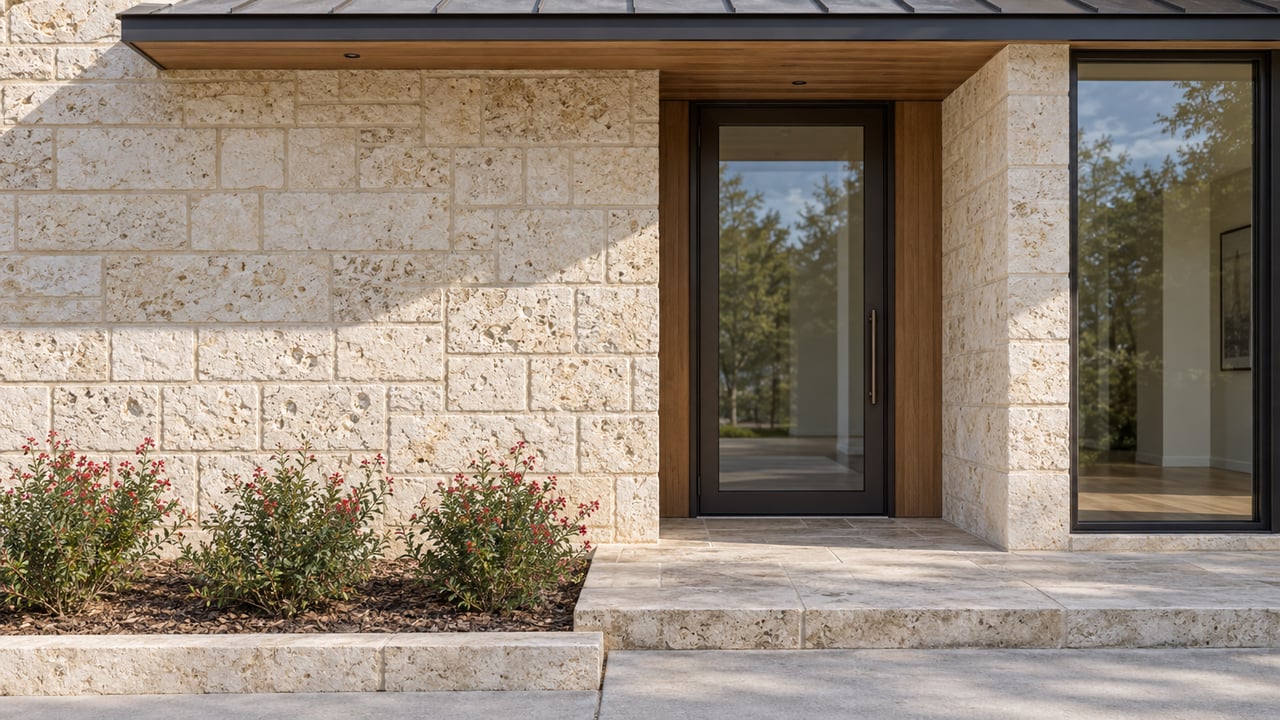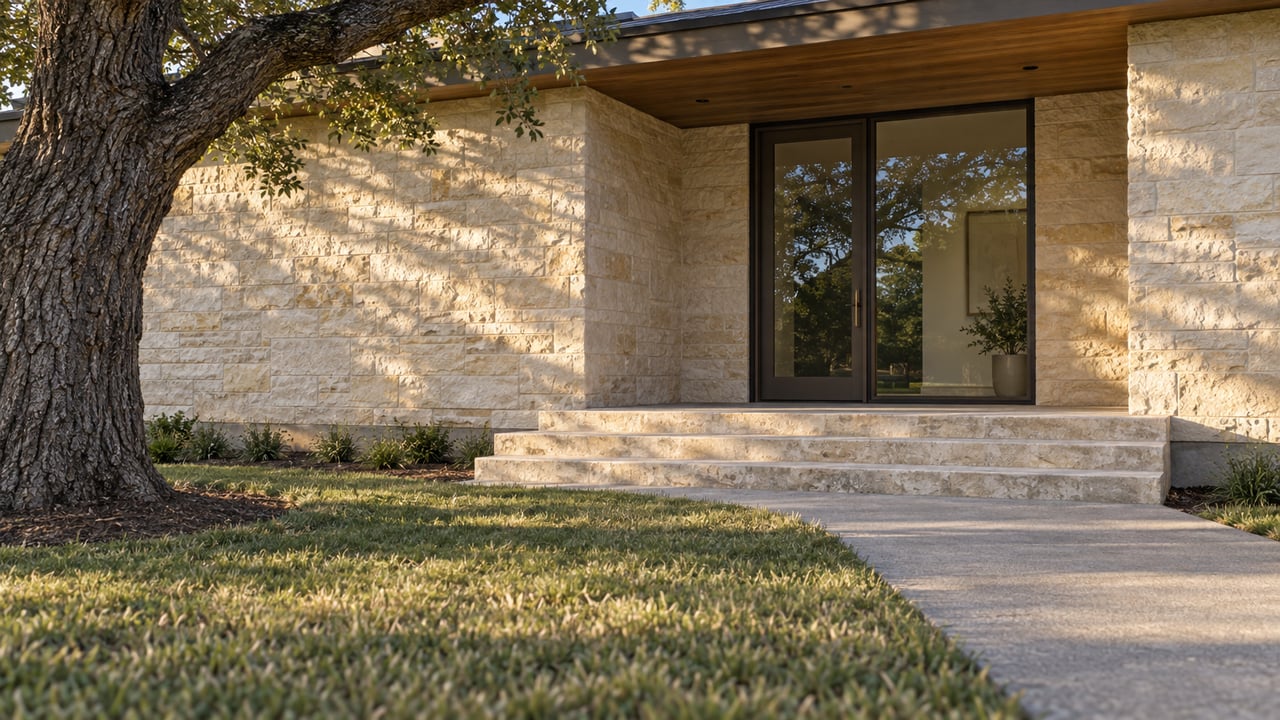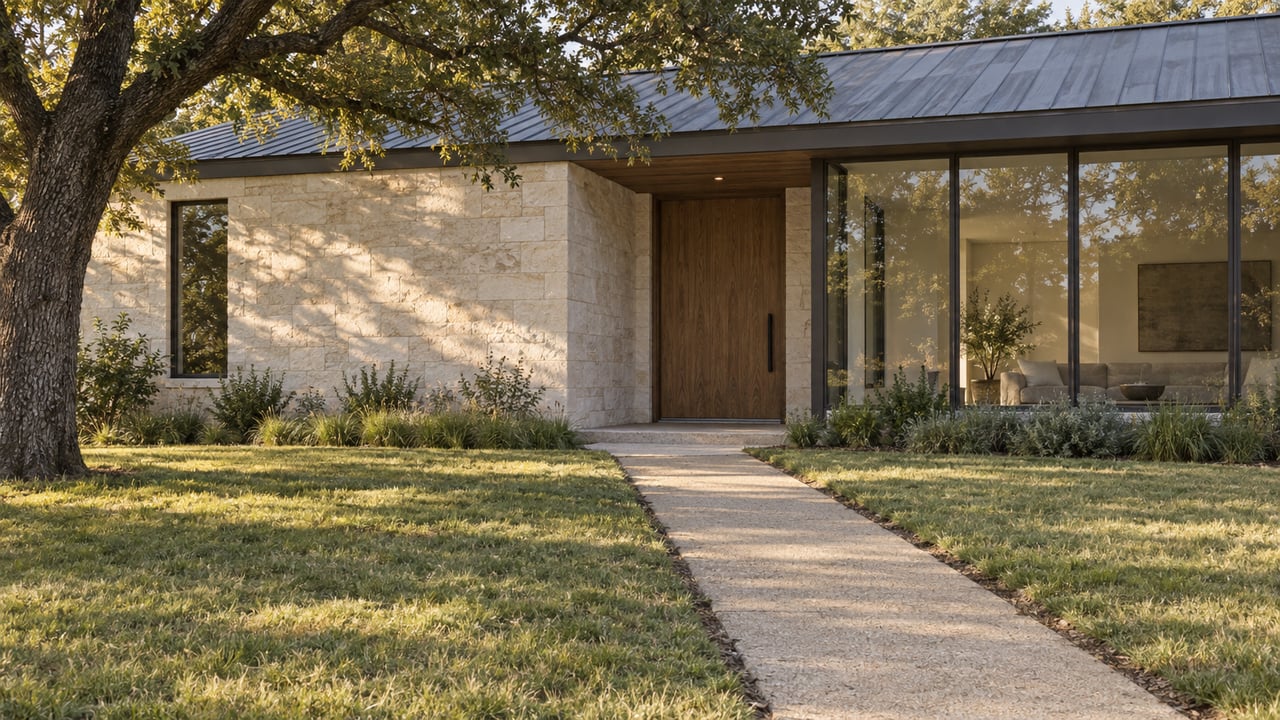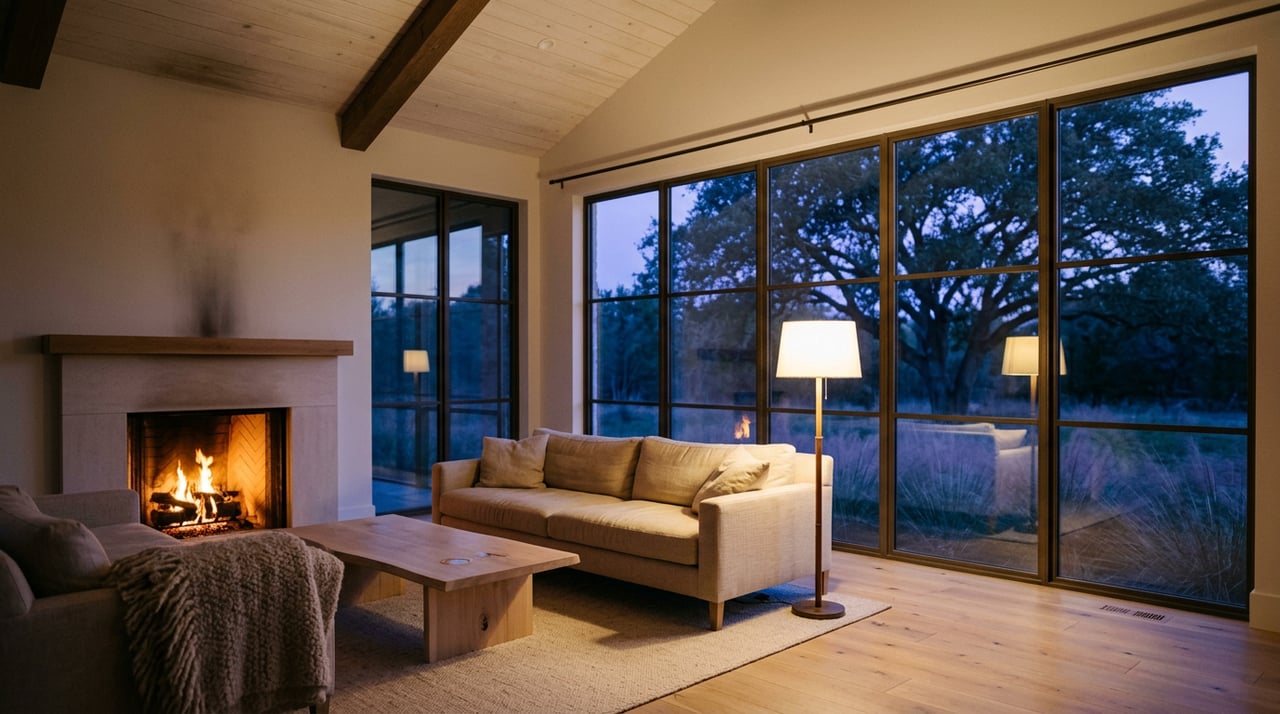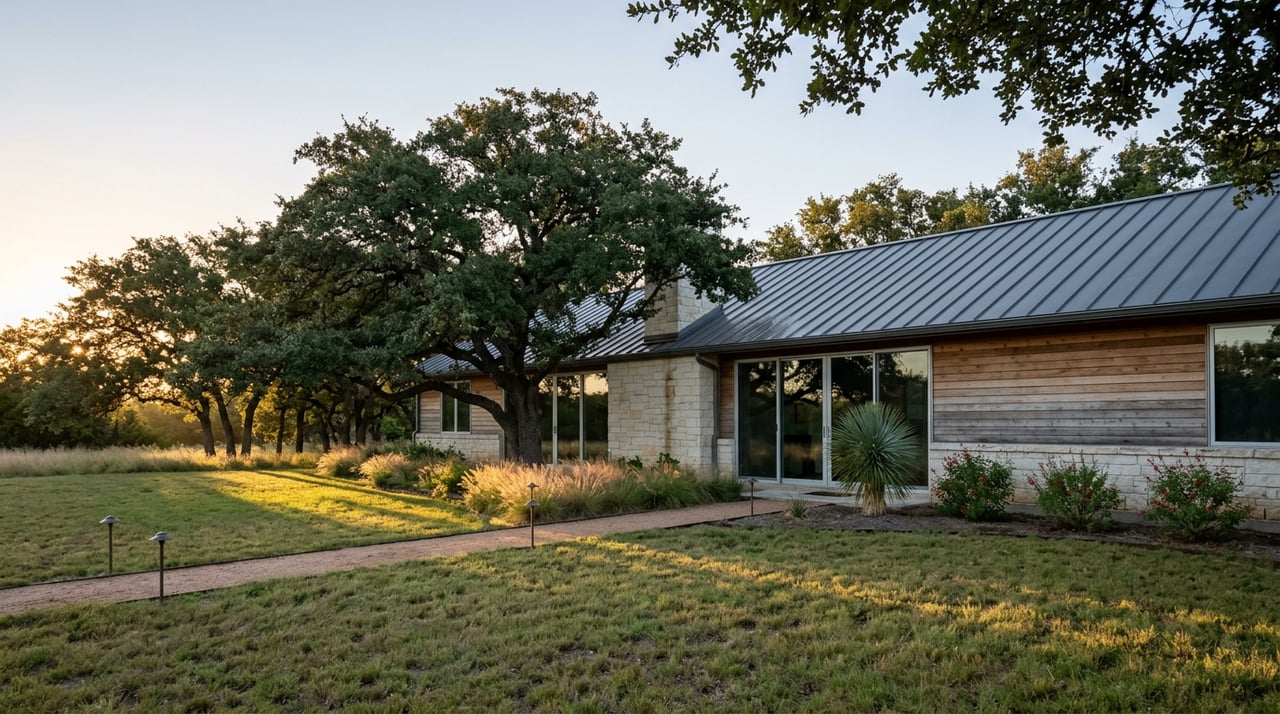
Picture two listings that land in your saved search on the same afternoon. Both are three bedrooms, both sit around 2,200 square feet, both are zoned to Dripping Springs ISD, and both are asking right around $600,000. On paper, they are the same house. Pull the actual tax estimate on each one and they are not close to the same house at all. One of them can carry an extra $300 to $400 a month in taxes at current rates.
That gap has nothing to do with the school district, the builder, or the finishes. It comes down to a line on the tax bill that most buyers never think to ask about until they are sitting in an escrow meeting wondering why their payment estimate jumped.
The Line Item That Isn't in the List Price
Dripping Springs is in the middle of one of the biggest development booms in Central Texas, with more than 8,000 permitted lots across a dozen or so active communities. Growth at that scale outpaces what a small city and county can fund up front, so the roads, water lines, sewer systems, and drainage for most new subdivisions get built a different way. A Municipal Utility District, or MUD, is formed for the development. The district issues bonds to cover that infrastructure. A Public Improvement District, or PID, does something similar through a special assessment rather than a utility tax. Either way, the arithmetic is the same: you are not just buying a house, you are also picking up a share of the debt that made the neighborhood buildable in the first place.
This is not a Dripping Springs quirk. It is standard practice across the fast-growing edges of the Austin metro. What makes it worth stopping on here is how much it can move the number on an otherwise identical home, and how unevenly it is distributed across town.
Where the New Communities Land
Caliterra, the master-planned community built along Onion Creek off RR 12, gives a good look at how these rates actually move year to year rather than sit still. Its combined tax rate was 2.7073% in the 2021 tax year, dropped to 2.6056% in 2022, dropped again to 2.41% in 2023, then climbed back up to 2.4641% in 2024 and 2.5353% in 2025. That is not a typo and it is not a one-way ratchet. It moves with the district's debt service and the tax base underneath it, which means the number you are quoted today is not a number you should assume holds for the life of your mortgage.
Big Sky Ranch, one of the more accessible entry points into Dripping Springs ISD, tells a similarly concrete story. On a $450,000 home there, the MUD portion alone runs somewhere in the range of $300 to $400 a month, layered on top of the county, school, and any city taxes that already apply. That is real money that does not show up anywhere near the sale price a buyer sees first.
Then there is Belterra, which is about to change the scale of the conversation entirely. The community sits inside Water Control and Improvement Districts 1 and 2, carries HOA dues around $576 a year, and is bringing roughly 2,200 homes online, with a four-lane arterial road planned to connect RM 12 and US 290 through to Big Sky and Wild Ridge. Homes are expected to be available by late 2026. Adding that many homes to a town this size in a short window does two things worth sitting with if you are shopping right now. It gives builders a reason to compete harder on price, which is part of why rate buydowns and closing cost credits have been common in 2026 across Dripping Springs new construction. And it puts real supply pressure on resale values in the surrounding master-planned communities, since buyers suddenly have more new-build options at similar price points. Neither of those is a reason to avoid the area. Both are reasons to ask a builder or seller directly what a MUD or PID rate is projected to do once a district's bonds are further along, rather than treating today's rate as fixed.
The Acreage Alternative, and What It Actually Trades Away
Not every $600,000 home in Dripping Springs comes with a district tax attached. Older acreage neighborhoods like Sunset Canyon, Northridge, and Shady Valley II sit outside any MUD or PID entirely. A 1.5-acre property in Shady Valley II, or a similar lot in Northridge, gets you no special district tax and no HOA lifestyle director fee. What it gets you instead is a private well and a septic system rather than city water and sewer, which is a different set of ongoing responsibilities and a different inspection checklist, not automatically a cheaper one once you account for well pump replacement or septic maintenance over time.
This is the part of the comparison that a median price cannot capture. Two homes at $600,000 might represent a brand-new build on a small lot inside a taxing district, a two- or three-year-old resale in a community like Headwaters or Caliterra where someone else already paid for the fence and the sod, or an older house on an acre and a half running on well and septic with no district tax at all. Same number on the listing, three genuinely different sets of monthly obligations and maintenance responsibilities. The median asking price across active Dripping Springs single-family listings has been sitting around $750,000, which puts that $600K band squarely in the middle of the market rather than the entry level, and it is exactly the range where these three paths diverge the most.
What to Ask Before You Compare Two Listings
If you are cross-shopping Dripping Springs on price alone, here is where the real comparison happens:
- Is the property inside a MUD, a PID, or both, and what is the current combined rate
- Has that rate moved in the last few years, and in which direction
- Is the district's bond debt largely paid down or still building, since that affects whether the rate is likely to ease over time
- If there is no district tax, is the home on a well and septic, and when were they last inspected
- What are the HOA dues, and do they cover amenities you will actually use or ones you are simply subsidizing
None of these questions will show up on a portal's price history chart. They show up in the seller's disclosure, the title commitment, and a call to the Hays County Appraisal District, which is the source of record for what a specific parcel actually owes each entity taxing it.
A Short FAQ
Is a home with no MUD automatically the better deal? Not automatically. You are trading a taxing district for a private well and septic system, which comes with its own upkeep and its own inspection needs. The right answer depends on how you weigh predictable utility bills against the responsibility of maintaining your own water and wastewater system.
Can I find the exact rate before I write an offer? Yes. The Hays County Appraisal District maintains the taxing entities and rates tied to each parcel, and the City of Dripping Springs publishes its own adopted tax rate and budget documents each fiscal year. Both are worth pulling before you get attached to a specific address.
Comparing two Dripping Springs listings on price alone will tell you almost nothing about what you will actually pay to live there. If you are weighing a new build against an acreage resale, or trying to figure out what a specific MUD or PID rate means for your monthly payment, Bailey Group can walk through the real numbers on the homes you are actually considering. Schedule your white-glove consultation and let's find the house that fits both your lifestyle and your budget, not just the one that fits the search filter.
This article is general information, not legal, tax or financial advice. Consult a qualified professional about your situation.