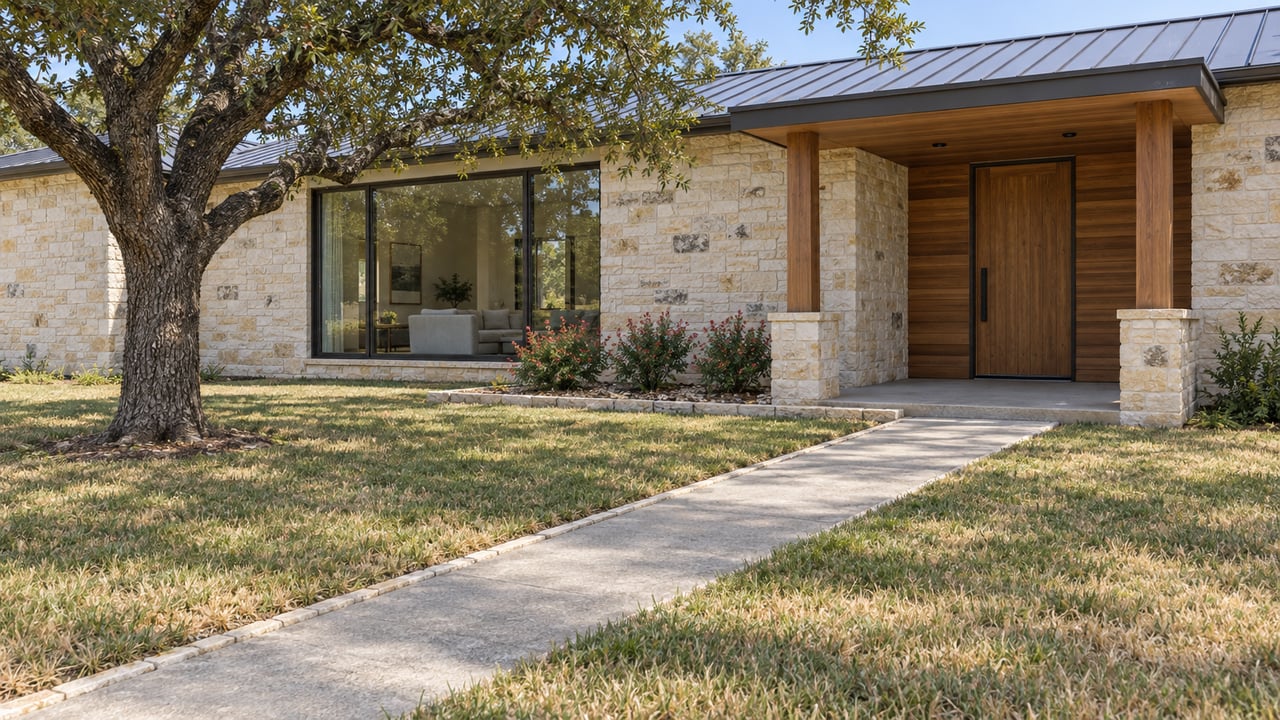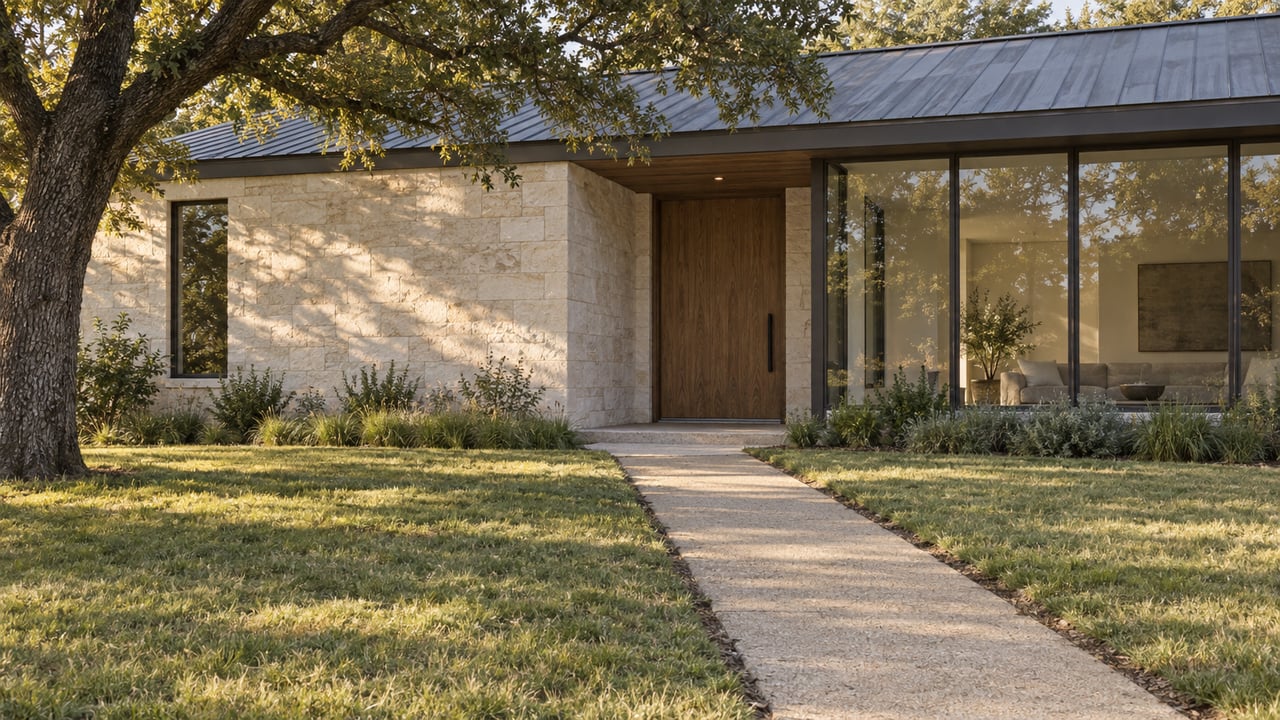
If you are dreaming about a future home or small ranch in Driftwood, the land itself is only part of the story. One tract may look perfect from the road, while another with similar acreage could come with very different access, utility, septic, or tax realities. When you know what to check before you buy, you can move forward with more confidence and avoid expensive surprises later. Let’s dive in.
Why Driftwood land is parcel specific
In Driftwood, raw land is not a one-size-fits-all purchase. Hays CAD shows that parcels in this area can fall under different taxing entities, including Driftwood-specific districts, along with county and school district layers. That means two nearby properties can carry different ongoing costs even if they look similar on paper.
Build-readiness can vary just as much. Access, easements, utilities, floodplain conditions, septic needs, and recorded restrictions all shape what you can do with the land and how much it may cost to get there.
Start with access and legal boundaries
Before you picture a homesite, barn, or vineyard rows, confirm that the tract has legal access. Hays County Transportation manages county roads and county right-of-way, and the county publishes driveway specifications and utility permit information. If a driveway, culvert, or utility work is needed in county right-of-way, that can affect both timeline and budget.
A survey and recorded plat matter just as much as the view. Hays County defines a plat as a legal document that can show boundaries, lot lines, streets, easements, and floodplain areas. For raw land, those details can tell you far more than listing photos ever will.
Why easements and plats matter
If the land has easements, unusual lot lines, or limited road frontage, your ideal homesite may need to shift. In some cases, a land split or future subdivision may require additional county review under Texas law and Hays County procedures. That is why it helps to review the plat, survey, and title documents early in the process.
Check deed restrictions early
Recorded restrictions can shape how you use the property even when the acreage looks flexible. Plat notes, subdivision documents, and deed restrictions may limit certain uses or improvements. If you plan to build a future home, keep animals, plant vines, or hold the land for long-term use, it is smart to verify those restrictions before closing.
Understand the land itself
Driftwood land often comes with beautiful trees, rolling terrain, and natural drainage patterns. Those same features can affect where you place a home, driveway, septic field, or outbuildings. Slopes, low areas, and dense tree cover can also increase clearing or grading costs.
Hays County requires a permit for development both inside and outside the floodplain, and it defines development broadly. That can include clearing, fill, roads, slabs, and other land modification. In practical terms, the shape of the site matters long before construction begins.
Floodplain and site work can affect timing
A tract is not automatically build-ready just because it is vacant. County review may be needed depending on floodplain conditions and the type of work planned. If brush clearing involves burning, Hays County Fire Marshal rules for outdoor burning in unincorporated areas may also come into play.
Plan for electricity, wells, and septic
Utilities are one of the biggest reasons raw land purchases need extra due diligence. In Driftwood, the answer is often not simply whether a utility exists, but how far away it is and what it takes to connect.
Electricity may require line extension
Pedernales Electric Cooperative serves Hays County. Its tariff states that applicants must provide easements, a meter loop, and access for maintenance, and service may come from existing lines or require new construction under its facilities-extension policy. So if a power pole is not close by, electric service may become a meaningful part of your land budget.
Wells follow local groundwater rules
The Hays Trinity Groundwater Conservation District manages groundwater in western Hays County, which includes Driftwood. Its materials state that wells for domestic or agricultural use are considered exempt and must be registered with the district before drilling, while non-exempt wells require an operating permit before production. The district also requires the well driller to submit the State of Texas well report within 60 days after completion.
This matters if you are planning a future house, livestock use, or agricultural activity. Water planning is a long-term issue in West Hays County, and the county announced a countywide water study in 2026 to evaluate water supply planning, wastewater effluent management, localized flood planning, and regulations affecting water use.
Septic approval is a major step
If the tract will rely on an on-site sewage facility, Hays County requires a permit for new systems, replacements, and alterations. The county also states that construction inspection must occur within 12 months of authorization to construct, construction must be completed within 14 months of authorization, and within 18 months of application. An existing septic system may not work for your intended use if the daily loading differs from the original design.
For buyers, this means septic feasibility is not a box to check later. It is one of the first practical questions to answer when evaluating land for a future home or ranch.
Think carefully about agricultural valuation
For many Driftwood buyers, agricultural valuation is part of the long-term plan. Texas guidance says qualifying agricultural or open-space land is appraised on productivity value rather than market value, and Hays CAD notes that this applies to the land only, not other property connected with it.
That can be meaningful if you want to hold acreage now and build later. But the rules are specific, and it is important not to assume a current tax status will stay in place automatically.
What can qualify in Hays County
Hays CAD says the land must currently be devoted principally to agricultural use and must have been used principally for agriculture or timber production for five of the preceding seven years. The use must also meet the degree of intensity generally accepted in the area. Depending on the tract and its use history, buyers may look at cattle, horses, hay, orchards, vineyards, or wildlife management.
Viticulture is expressly included on Hays CAD’s qualification sheet. So if your vision includes planting a vineyard, that use can fit within the county’s list of qualifying agricultural activities, subject to the county’s history and intensity standards.
Ag valuation does not automatically transfer
One common mistake is assuming the seller’s agricultural valuation will follow the property after closing. Hays CAD says a change in ownership can remove that valuation until the new owner files a current application and receives approval. The same issue can happen if acreage changes due to a survey, plat, or split.
Hays CAD treats May 1 as the timely filing deadline. Late applications may be accepted before appraisal records are approved, usually in July, but they may carry a 10% late-filing penalty.
Understand rollback tax risk
If land receiving agricultural appraisal changes to a non-agricultural use, the Texas Comptroller states that rollback tax applies for the prior three years. The amount is the difference between taxes paid on productivity value and taxes that would have been paid on market value.
That is a major planning point if you want to enjoy ranch acreage now and convert part of it into a homesite later. The tax impact should be part of your purchase decision from the start.
A smart order for land due diligence
Because raw land usually needs more investigation than a finished home, it helps to follow a practical order. Hays County’s permit systems for floodplain work, septic, and driveway or utility access show why answers often take time.
A strong buyer workflow in Driftwood usually looks like this:
- Review the survey or plat and any recorded restrictions.
- Confirm road frontage, access, and driveway requirements.
- Check floodplain status and likely site constraints.
- Estimate electric service distance and line-extension risk.
- Review well and groundwater rules.
- Evaluate septic feasibility.
- Verify agricultural valuation status and filing needs.
- Confirm the parcel’s taxing entities and carrying costs.
This order helps you sort out whether the tract fits your goals before you get too far into design ideas.
Why patience pays off in Driftwood
Buying land in Driftwood can be a great fit if you want room to build, spread out, or create a Hill Country property that reflects how you actually want to live. But the best land decisions here come from looking past the scenery and studying the property at a parcel level.
When you understand access, restrictions, utilities, water, septic, tax treatment, and county processes up front, you are much more likely to choose land that supports your future plans instead of slowing them down. That kind of clarity is especially valuable in an area where two tracts with similar acreage can perform very differently.
If you want help comparing Driftwood land, sorting through feasibility questions, or finding a tract that fits your future home or ranch goals, Bailey Group offers white-glove guidance grounded in real Hill Country experience.
FAQs
What should you verify before buying land in Driftwood?
- Start with the survey or plat, recorded restrictions, road frontage, driveway access, floodplain status, electric service distance, well rules, septic feasibility, agricultural valuation status, and parcel-specific tax entities.
Can a Driftwood vineyard qualify for agricultural valuation?
- Yes. Hays CAD expressly includes viticulture as a qualifying agricultural use, subject to local history and intensity standards.
Does agricultural valuation transfer automatically after a Driftwood land purchase?
- No. Hays CAD says a change in ownership can remove the valuation until the new owner files an application and it is approved.
Is a raw Driftwood tract automatically ready for a future home?
- No. Depending on the parcel, county review or permits may be needed for development, floodplain work, septic, and road or utility access.
Why can two Driftwood parcels have different tax bills?
- Hays CAD shows that parcels can fall under different combinations of county, school district, and special district taxing entities, so carrying costs should be reviewed parcel by parcel.