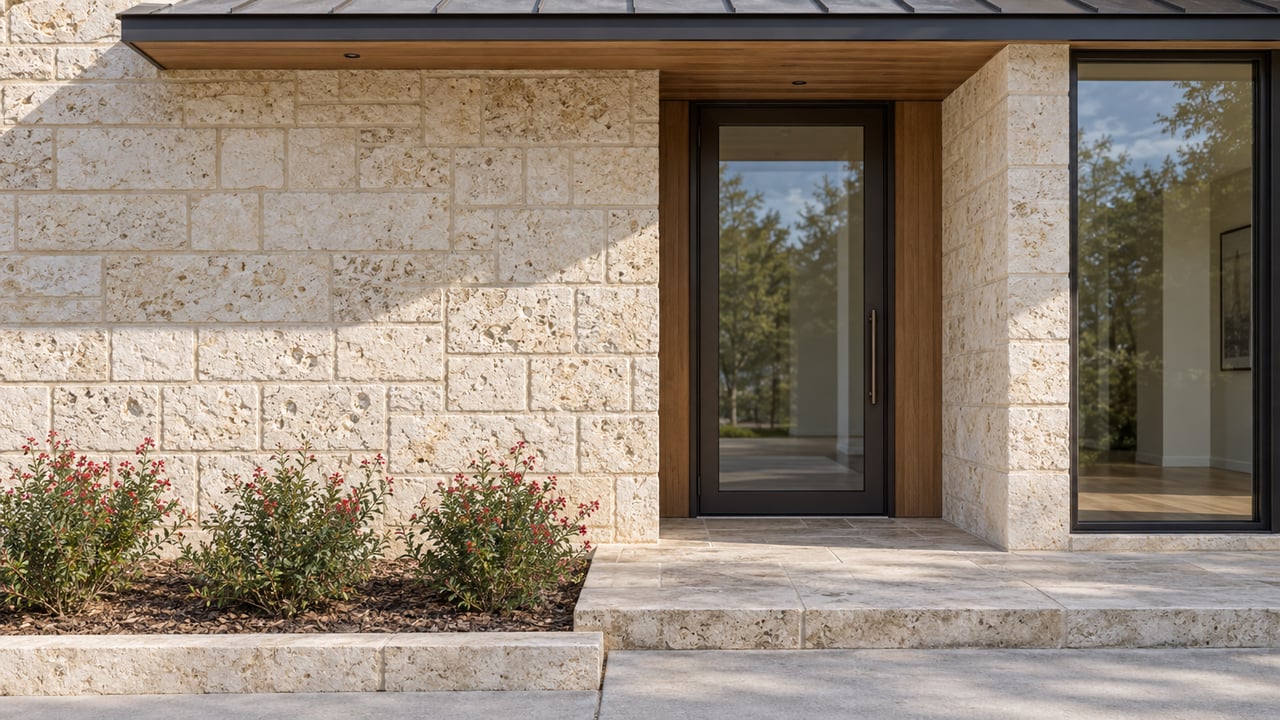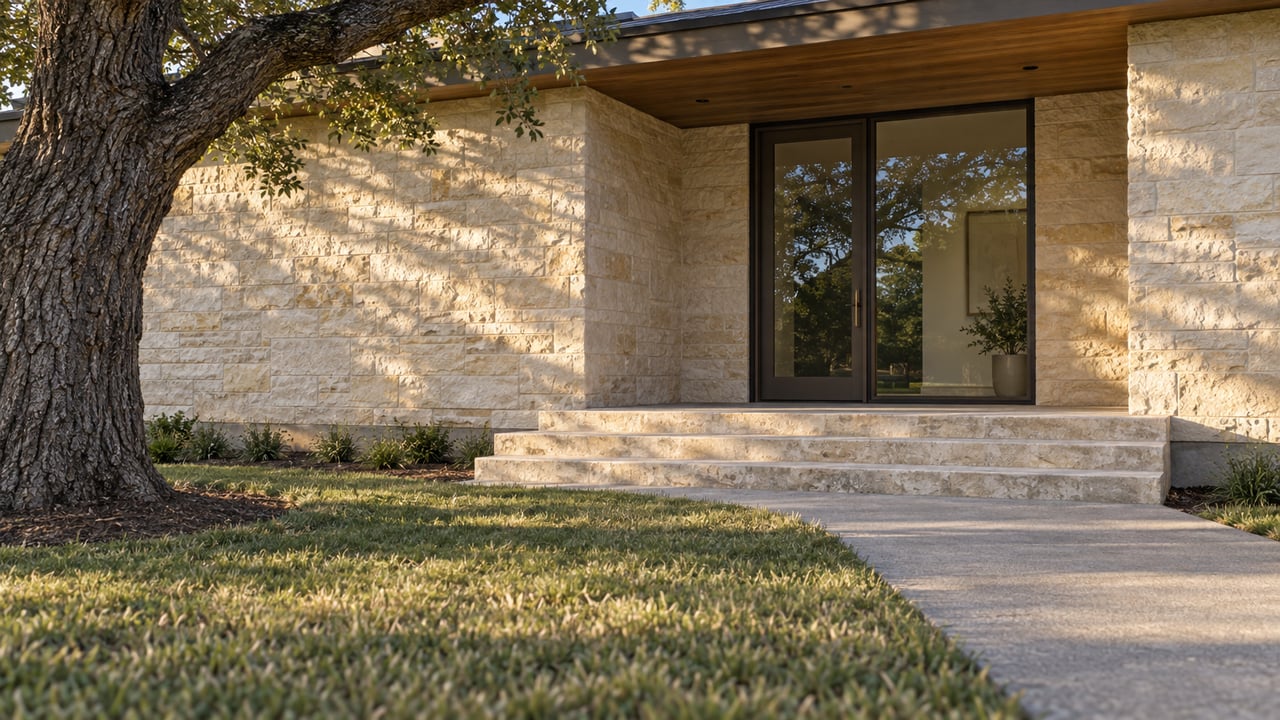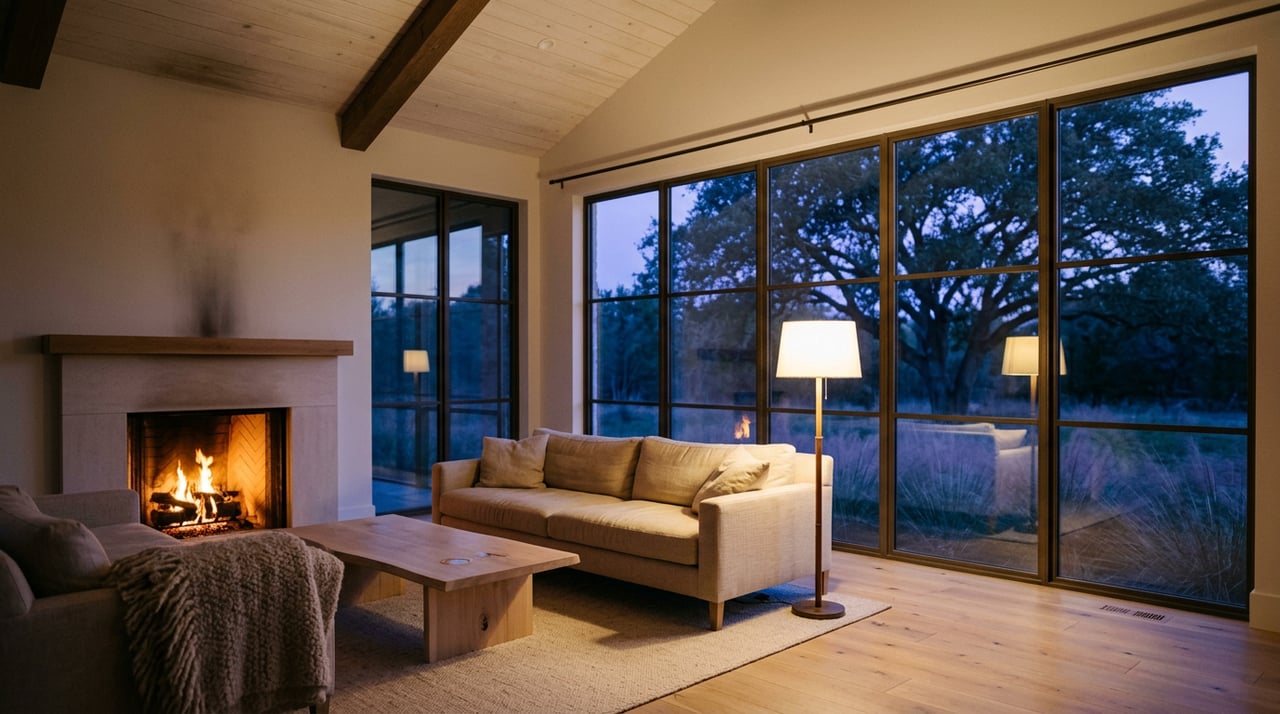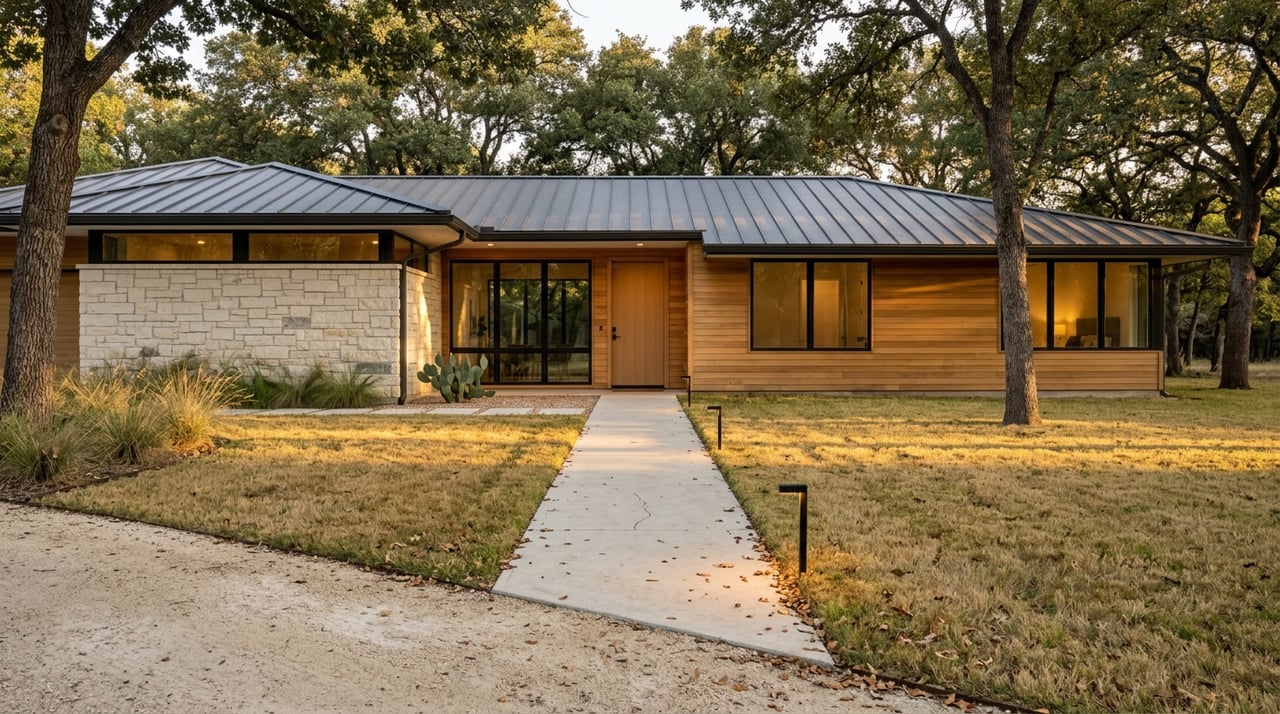
If you picture acreage living in Dripping Springs as pure peace and quiet, you are only getting part of the story. Yes, you may get bigger views, darker skies, and more space to breathe, but daily life also comes with more hands-on decisions than many buyers expect. If you are wondering what it really feels like to live on land here, this guide will help you understand the rhythm, responsibilities, and tradeoffs before you buy. Let’s dive in.
The Dripping Springs acreage lifestyle
Acreage living in Dripping Springs often feels like a blend of Hill Country calm and Austin-area connection. The city describes itself as a growing community in northern Hays County with open spaces, small-town character, and International Dark Sky Community designation.
That combination shapes the experience in a big way. You may enjoy quieter evenings, wider views, and more privacy than you would in a typical suburban neighborhood, while still staying connected to a high-growth corridor west of Austin.
For many buyers, that is exactly the point. You are not choosing a remote ranch far from everything. You are choosing a place that feels more open and grounded, while still tied to work, errands, dining, and regional travel.
More land means more owner involvement
One of the biggest surprises for acreage buyers is this: more space usually means more responsibility. On a larger tract, the homeowner often takes on more of the day-to-day realities tied to water, wastewater, landscaping, access, and service coordination.
That does not mean acreage living is hard. It means the lifestyle is more active than it looks from the road. Instead of relying on city-style systems for everything, you may need to understand how your specific parcel functions and what it takes to keep it running smoothly.
For the right buyer, that owner involvement feels worth it. You get room, privacy, and a stronger connection to the land, but you also need to be comfortable asking detailed questions and planning for ongoing upkeep.
Water matters more than most buyers expect
Water sources vary by property
In Dripping Springs, water is not always a simple yes-or-no utility question. Some acreage properties may have public or cooperative water service, while others may rely on private wells.
Dripping Springs Water Supply Corporation says it operates four groundwater wells south of town and also has a raw-water contract treated and sold through the West Travis County PUA. That tells you right away that water service can be layered and provider-specific, not one-size-fits-all.
If a property is on a private well, your due diligence should go deeper than asking whether the well works. You will want to understand who maintains it, what the pumping history looks like, and whether water testing records are available.
Water restrictions shape outdoor living
Acreage buyers sometimes assume a larger lot means more freedom to irrigate. In reality, watering rules can be a major part of everyday life.
Dripping Springs Water Supply Corporation currently shows Stage 4 watering restrictions, including hand-held hose irrigation only, no drip or automatic irrigation, and assigned watering days and hours. City water customers are also under Stage 2 mandatory watering restrictions beginning April 1, 2026.
That can affect how you think about lawns, landscaping, and outdoor maintenance. If your dream property includes a large irrigated yard or elaborate planting plan, it is smart to match that vision to the actual water rules for the parcel.
Water costs deserve a closer look
Your water budget may include more than a basic monthly bill. Dripping Springs Water Supply Corporation lists a $35 monthly minimum, tiered water rates effective December 1, 2025, and a capital contribution fee of $8,614 effective January 1, 2025.
That does not mean every buyer will face the same cost structure, but it does show why water service details matter on acreage. Before you buy, it helps to know not just whether service exists, but what setup fees, minimums, and restrictions may come with it.
Septic is normal, not optional
Acreage does not remove septic rules
A common misconception is that a bigger lot comes with fewer wastewater regulations. In Hays County, that is not the case.
The county requires a permit for all On-Site Sewage Facilities, regardless of lot size or acreage. Permits are required for new systems, replacements, and alterations.
That means septic is a routine part of acreage ownership, not an exception. You will want to understand what system is on the property, whether it has been maintained, and whether any changes may require county approval.
Septic history affects peace of mind
With acreage properties, septic due diligence is often just as important as the home itself. Soil suitability, system type, permit status, and maintenance records can all shape your ownership experience.
Hays County also notes that ongoing maintenance is required for aerobic or advanced systems. If you are buying a property with one of those systems, regular upkeep should be part of your planning from day one.
For buyers looking at land or older rural homes, this is where local guidance matters. Small details on septic can become big details during inspections, negotiations, or future plans for improvements.
Internet is not something to assume
If you work from home, stream often, or need reliable connectivity for a second home, broadband should be checked address by address. This is especially important in semi-rural areas where service can change quickly from one parcel to the next.
The FCC National Broadband Map is location-specific and based on provider-submitted data, which is why nearby service does not guarantee the same result at your address. A property off the same road as another home may still have a different service picture.
In real life, this means you should verify internet early in your search. For many acreage buyers in Dripping Springs, connectivity is not a small detail. It is part of whether the lifestyle truly works for your routine.
The commute is part of the lifestyle
Dripping Springs is connected, but not disconnected from traffic
Acreage living here still comes with metro-area movement. TxDOT is building and studying several US 290 projects west of Austin because of significant growth and travel demand.
The Oak Hill Parkway project is expected to add two to three non-stop mainlanes in each direction, frontage roads, flyovers, and 14 miles of shared-use path, with completion anticipated in 2026. TxDOT also notes that the City of Dripping Springs is adding local routes around US 290 and RM 12.
That tells you something important about daily life: this is a highway commute environment. Your route, departure time, and exact property location can all change how convenient the area feels on a normal weekday.
Distance feels different on acreage
When you move from a city lot to acreage, everyday logistics can stretch out a bit. A grocery run, school drop-off, or coffee stop may involve more planning than it did in a denser neighborhood.
That is not necessarily a downside. Many buyers gladly trade shorter errand loops for space, privacy, and scenery, but it helps to go in with clear expectations about how your days will flow.
Services can vary more than city buyers expect
Trash service is one example of how location matters on acreage. The City of Dripping Springs says Texas Disposal Systems became the solid waste and recycling provider on July 1, 2025, but that change applies only inside city limits. ETJ properties are excluded and keep their current provider.
That kind of distinction is common with land properties. Two homes with a Dripping Springs address may not share the same service setup, provider options, or utility structure.
School-day logistics can also feel more spread out than some buyers expect. Dripping Springs ISD says the district covers 198 square miles, including a small portion in Travis County, which helps explain why routines can feel more rural and wide-ranging.
Budgeting for acreage living
The real budget question is rarely just the purchase price. On acreage in Dripping Springs, the long-term cost of ownership may also include water service or well upkeep, septic maintenance, irrigation limits, internet verification, brush work, landscape care, and commute-related costs.
That is the heart of the tradeoff. You may gain dark skies, long views, and real breathing room, but you also take on a property that asks more from you over time.
For many Hill Country buyers, that trade feels more than fair. The lifestyle can be deeply rewarding if you are buying with open eyes and a realistic plan for how you will use, maintain, and enjoy the land.
Who acreage living fits best
Acreage in Dripping Springs often works best for buyers who want lifestyle and function to meet in the middle. You may love it here if you want privacy, more room outdoors, and a stronger connection to the Hill Country landscape, while still needing practical access to Austin and surrounding towns.
It can also be a strong fit if you are comfortable with parcel-specific due diligence. Buyers who do well with acreage usually understand that each property has its own story when it comes to water, septic, access, and services.
That is where local experience can make a real difference. When you know what questions to ask up front, it becomes much easier to find a property that supports the way you actually want to live.
If you are exploring acreage in Dripping Springs and want local guidance that balances lifestyle goals with practical details, the Bailey Group is here to help with white-glove support every step of the way.
FAQs
What does acreage living in Dripping Springs feel like day to day?
- It often feels quieter and more spacious than suburban living, with broader views, darker skies, and more privacy, but also more hands-on responsibility for property systems and upkeep.
Is water service on Dripping Springs acreage always from a public provider?
- No. Some properties may have public or cooperative water service, while others rely on private wells, so the exact source should be verified for each parcel.
Do large lots in Hays County still need septic permits?
- Yes. Hays County requires permits for On-Site Sewage Facilities regardless of acreage, including new systems, replacements, and alterations.
Can you freely irrigate a large yard on acreage in Dripping Springs?
- Not necessarily. Watering restrictions vary by provider, and both Dripping Springs Water Supply Corporation and city water customers currently have active restrictions.
Should remote workers verify internet before buying acreage in Dripping Springs?
- Yes. Broadband availability should be checked at the exact property address because service can vary from one parcel to another.
Is commuting from Dripping Springs acreage to Austin simple?
- It depends on your route, time of day, and exact location, but the area is part of a growing US 290 corridor where commute planning is an important part of daily life.